
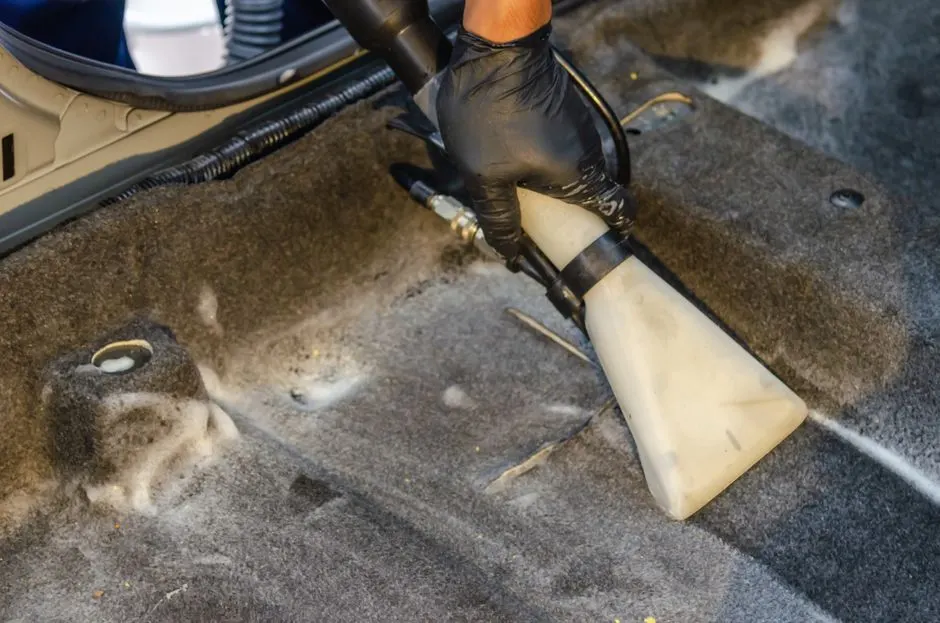
Moisture Inspection and Mapping
We use a thermal imaging camera and moisture meter to find water you cannot see. This includes checking behind baseboards, under flooring, and inside wall cavities where water travels.
Every water removal job includes the core steps: inspection, extraction, drying, and verification. What varies is the equipment and time required. Here is what you can expect as part of the standard service, and what we scope separately if your situation calls for it.
We use a thermal imaging camera and moisture meter to find water you cannot see. This includes checking behind baseboards, under flooring, and inside wall cavities where water travels.
Truck-mounted extractors and wet/dry vacuums remove standing water from carpet, tile, hardwood, and crawl spaces. Extraction wands reach into tight areas like closets and under cabinets.
We place air movers and dehumidifiers based on the size and layout of the affected area. Desiccant dehumidifiers are used when humidity is high or temperatures are low.
A technician returns daily to check moisture readings with a hygrometer and adjust equipment. You get a log of readings and photos for your insurance claim.
We apply antimicrobial spray to affected surfaces to slow mold growth after water damage. This is standard on Category 2 and Category 3 water jobs, and optional on clean water.
Water Removal in Florida is the physical process of extracting standing water, pulling moisture out of building materials, and drying the structure to a verified standard. It is not a shop vac and a fan. We map the moisture with a thermal imaging camera and pin-type meter, extract with truck-mounted and portable units, then set air movers and dehumidifiers until readings match a dry standard. Every job is documented with moisture readings so you can see the floor is dry, not just feel it.
Florida homes get hit in ways other states do not. Slab leaks under tile, washing machine overflows in second-floor condos, and storm surge pushing through stucco all leave water where it does not belong. Because the air is already heavy with humidity, wet drywall and carpet padding can grow mold in 24 to 48 hours. That is why emergency water removal Florida homeowners call for has to start the same day, not after a weekend of waiting.
Every job follows the same five steps, whether it is a small bathroom leak or a whole-house flood. Here is what you experience from the first call to the final reading.
Schedule
Call or book online — a real human picks up and confirms a 2-hour arrival window.
Diagnose
Licensed tech inspects on-site, then walks you through the cause and your options.
Fix
The job is completed to code and done right the first time — no shortcuts, no surprises.
Guarantee
Every job backed by a written workmanship warranty — and we stand behind it.
Thermal Imaging Camera
Finds temperature differences behind walls and under floors, revealing hidden water that a moisture meter alone would miss.
Moisture Meter and Hygrometer
Measures moisture content in building materials and relative humidity in the air. We use these daily to track drying progress.
Truck-Mounted Extractor
Pulls hundreds of gallons of standing water quickly. It is the workhorse for flooded carpets and large areas.
Air Movers and Dehumidifiers
Air movers evaporate moisture from surfaces, and dehumidifiers pull it out of the air. We calculate placement based on room size and layout.
Desiccant Dehumidifier
Works in low temperatures and tight spaces where refrigerant dehumidifiers are less effective, like crawl spaces and wall cavities.
Borescope Camera
Lets us see inside wall cavities without cutting large holes, so we can confirm moisture and mold growth after water damage.
Air Scrubber and Negative Air Machine
Filters airborne particles and creates negative pressure to keep dust and mold spores from spreading to unaffected rooms.
IICRC S500 Standard
We follow the IICRC S500 standard for water damage restoration, which defines water categories, drying goals, and documentation requirements. This is the same standard your insurance adjuster uses.
Dry Standard Verification
We establish a dry standard by measuring an unaffected area of the same material, then dry the affected area until readings match. This is how we know the job is done, not just dry to the touch.
Containment with Plastic Sheeting
When mold is present or the affected area is large, we set up plastic sheeting and a negative air machine to keep spores from spreading. This protects the rest of your home during drying.
Antimicrobial Application
We apply antimicrobial spray to affected surfaces after extraction. This slows mold growth after water damage and is standard on contaminated water jobs.
01
What we do: We extract the standing water, pull wet baseboards, and set drying equipment. The water heater gets shut off and tagged for replacement.
→ Most garage and hallway floods dry in three to four days, and the drywall is saved if we get there within 24 hours.
02
What we do: We extract the carpet and pad, apply antimicrobial spray, and set air movers. If the pad is contaminated, we remove and replace it.
→ Carpet dries in 48 to 72 hours with proper air movement, and the subfloor is verified dry before the pad goes back.
03
What we do: We extract water from the laundry room and adjacent rooms, check the ceiling below if it is a second-floor unit, and set drying equipment.
→ The laundry room and hallway are dry in three days, and the ceiling below is checked with a moisture meter before we close the job.
04
What we do: We extract water from the ceiling tiles and insulation, remove saturated materials, and set up drying equipment with a negative air machine to protect the occupied space.
→ The ceiling grid is dried and the space is ready for business by Monday morning in most cases.
Florida presents a specific set of challenges for water removal. The humidity is high year-round, which means wet materials dry more slowly than in drier states. A carpet that would dry in 48 hours in Arizona might take 72 hours in Florida, and that extra day is when mold can start. We account for this by using desiccant dehumidifiers and by monitoring readings daily. The building stock matters too. Many Florida homes are slab-on-grade with tile floors, which hides water under the tile and makes extraction tricky. Stucco over block walls can trap water inside the wall cavity, so we use a borescope camera to check before we assume the wall is dry. In older neighborhoods, cast iron pipes and galvanized supply lines are common, and they fail more often than modern PEX. We also see crawl space flooding in North Florida and basement flooding in the few Florida homes that have basements. If you are searching for affordable water removal in Florida, the key is getting a crew that understands these local conditions, not a generic franchise that treats every state the same.
Palm Bay
Many homes here are on slab with tile, and slab leaks are common. We use thermal imaging to find the moisture boundary before we extract.
Spring Hill
Crawl spaces are common in this area, and heavy rain can flood them. We pump and dry crawl spaces with desiccant dehumidifiers.
Venice
Older homes near the water often have galvanized pipes that fail. We document the leak location for your plumber and dry the structure.
Fort Walton Beach
Storm surge and wind-driven rain are real risks here. We handle saltwater intrusion and check wall cavities for trapped moisture.
Royal Palm Beach
Two-story homes with second-floor laundry rooms are common. A washing machine overflow can flood the ceiling below, so we check both floors.
Year-round high humidity
Wet materials dry more slowly, so we run dehumidifiers longer and monitor readings daily to prevent mold growth after water damage.
Slab-on-grade construction
Water can hide under tile and in the slab. We use thermal imaging and moisture meters to find it before we declare the floor dry.
Hurricane season from June to November
Storm surge and wind-driven rain cause large-scale flooding. We staff extra crews during hurricane season and coordinate with insurance adjusters.
Older plumbing in historic neighborhoods
Cast iron and galvanized pipes fail more often. We document the leak for your plumber and dry the structure to prevent secondary damage.
Most water damage calls fall into a handful of categories. Here are the ones we see most often and how we handle them.
Problem
Water wicks into the slab and tile adhesive, causing loose tiles and hidden moisture that can lead to mold under the floor.
Our Fix
We locate the moisture boundary with a thermal camera, extract surface water, and set drying equipment to pull moisture from the slab and flooring. We also document the leak location for your plumber.
Problem
Water travels down through the ceiling and into the unit below, turning a small leak into a multi-unit insurance claim.
Our Fix
We extract water from both units, open ceilings where needed, and set drying equipment on both floors. We coordinate with the HOA and both insurance companies to keep the claim moving.
Problem
Saltwater and debris get trapped in wall cavities, and the humidity inside the wall stays high for weeks, creating a mold risk.
Our Fix
We extract standing water, remove wet insulation, and use a borescope camera to check inside wall cavities. Desiccant dehumidifiers pull moisture from tight spaces that air movers cannot reach.
Problem
Standing water in a crawl space raises humidity in the whole house and can cause wood rot in joists and subfloor.
Our Fix
We pump and extract standing water, then set desiccant dehumidifiers and air scrubbers to dry the space. We check for foundation water seepage and recommend drainage fixes if the problem is recurring.
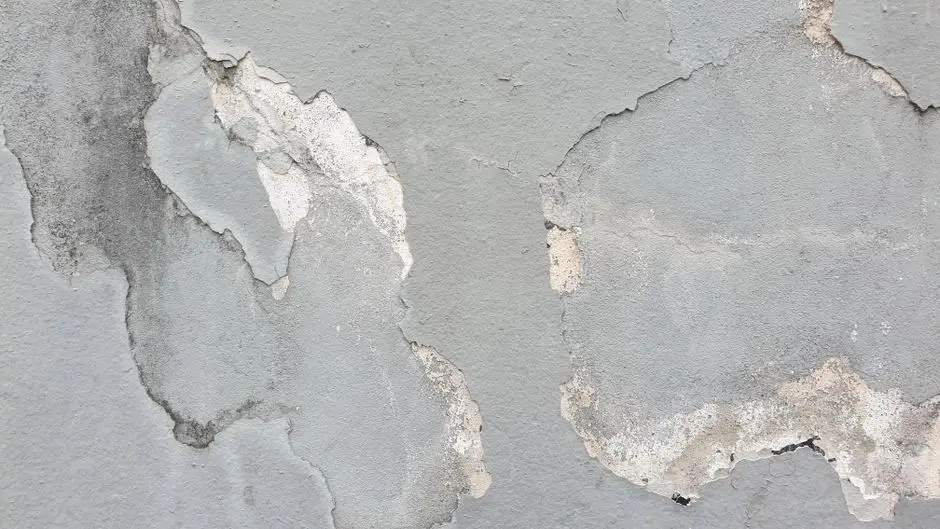
Water damage gets worse by the hour. These are the outcomes our crews deliver on every call, whether it is a single room or an entire ground floor.
Fast Extraction, Less Damage
Truck-mounted extractors pull hundreds of gallons in a single visit. We remove standing water before it wicks into baseboards and subfloor, which is the difference between replacing a carpet pad and replacing the floor.
Drying Verified by Meters
We do not guess. A hygrometer and moisture meter confirm the dry standard before we pack up, and you get the readings in writing. That documentation matters when you file an insurance claim.
Mold Stopped Early
Mold growth after water damage can start in 24 to 48 hours in Florida humidity. We apply antimicrobial spray and set up containment with plastic sheeting and a negative air machine when the affected area is large enough to warrant it.
Insurance-Ready Paperwork
We document with Xactimate-compatible line items, photos, and moisture maps so your adjuster sees the scope clearly. Fewer questions means a faster claim and less back-and-forth for you.
Water removal pricing in Florida depends on the size of the affected area, the category of water, and how long the water has been sitting. Typical 2026 pricing for a residential job ranges from $1,200 to $4,500, with most homeowners landing around $2,200. We give you a written price before work begins, and we explain any change before we add equipment or labor. If you are comparing water removal services Florida, ask whether the price includes drying equipment and daily monitoring. Some companies quote extraction only and bill drying separately.
Typical Investment Range
$1,200 - $4,500 for most residential jobs; larger or contaminated jobs can exceed $6,000
The price covers extraction, drying equipment, daily monitoring, and a final moisture report. That report is what your insurance adjuster needs to approve the claim, and it is what protects you if mold shows up later.
What changes the price
Square footage affected
A single room costs less than a whole floor. Extraction and drying equipment are priced by the area they cover, so a 200-square-foot bathroom is much less than a 1,200-square-foot ground floor.
Water category
Clean water from a supply line is the least expensive. Category 2 (gray water) and Category 3 (black water, like sewage) require antimicrobial treatment and sometimes removal of affected materials, which adds cost.
How long water has been sitting
Water that has been sitting for days wicks further into materials and can cause mold growth after water damage. That means more demolition and longer drying time.
Materials affected
Carpet and pad are easier to dry or replace than hardwood or plaster. Hardwood flooring requires specialized drying mats and takes longer, which increases the equipment cost.
Access and equipment needs
A crawl space or a second-floor condo requires different equipment than a ground-floor slab. Desiccant dehumidifiers and negative air machines add cost but are necessary in tight or contaminated spaces.
Google ★★★★★4.9
They came out the same day I called about water in my crawl space. The technician explained everything and showed me the moisture readings. Drying took four days and they checked every day. Fair price and no surprises.
Yelp ★★★★★4.8
Our rental property had a slab leak and the tenant was panicking. Water Damage Pros Florida handled it professionally and kept us updated. The moisture report made the insurance claim easy. I would use them again.
BBB ★★★★★4.9
After a storm flooded our lanai, they extracted the water and set up drying equipment the same evening. The crew was polite and cleaned up after themselves. No mold issues and the lanai is back to normal.
Our technicians hold IICRC WRT (Water Damage Restoration Technician) and IICRC ASD (Applied Structural Drying) certifications, and several carry IICRC AMRT (Applied Microbial Remediation Technician) for jobs where mold is already present. We work under a Florida DBPR Mold-Related Services License and a Florida Certified General Contractor License, and every crew carries Florida Workers' Compensation Insurance. That matters when someone is on your roof or in your crawl space. We follow the IICRC S500 standard for water damage restoration, which is the same standard your insurance adjuster uses to evaluate the scope.
Our crews cover the entire state, from the Panhandle to South Florida. Whether you need water extraction Florida-wide or a local crew in your neighborhood, we have the equipment and training to handle it. Here are some of the cities we serve regularly.
Slab leaks and storm flooding are common in Palm Bay. We use thermal imaging to find hidden moisture and dry tile floors without tearing them out.
Crawl space flooding and washing machine overflows keep our Spring Hill crews busy. We pump crawl spaces and dry them with desiccant dehumidifiers.
Alafaya's newer homes often have second-floor laundry rooms. A supply line burst can flood the ceiling below, so we check both floors with moisture meters.
Horizon West homes are mostly slab-on-grade with tile and hardwood. We extract water fast and use drying mats to protect hardwood floors.
Plymouth is a small community where word travels fast. We show up when we say we will and leave the job clean, with a moisture report in hand.
Royal Palm Beach has a mix of older and newer homes. We handle everything from galvanized pipe failures to storm-driven rain intrusion.
Many Sun City Center residents are retirees who need clear communication. We explain each step and document everything for insurance.
Venice's older homes near the water often have cast iron or galvanized pipes. We document the leak for your plumber and dry the structure.
Storm surge and wind-driven rain are real risks in Fort Walton Beach. We handle saltwater intrusion and check wall cavities for trapped moisture.
Seminole homes often have crawl spaces that flood after heavy rain. We extract standing water and set up drying equipment to prevent mold.
Belle Glade's agricultural setting means high water tables and storm flooding. We pump and extract water fast, then dry the structure.
Elfers is a small community where we respond quickly to burst pipes and water heater leaks. We carry extraction equipment on the first trip.
Davenport's growth means many new homes with PEX plumbing. When a fitting fails, we extract and dry before the water reaches the slab.
Milton sees its share of storm flooding and roof leaks. We extract water and dry attics and ceilings with air movers and dehumidifiers.
Odessa's larger lots and well water systems can mean slab leaks and pressure issues. We find the moisture boundary and dry the structure.
Real answers to the questions we hear most often from local homeowners and property managers.
Once the water is out, restoration puts your home back together: drywall, paint, flooring, and trim. We handle the full scope so you are not coordinating three different contractors.
View Water Damage RestorationThe first hour matters most. Our emergency crews pull standing water fast, including from carpet, crawl spaces, and basements, before it spreads to unaffected rooms.
View Emergency Water ExtractionFloodwater carries contaminants. We remove debris, extract water, apply antimicrobial spray, and dry the structure to a safe standard, with documentation for your insurance claim.
View Flood CleanupSewage is a Category 3 water event. We remove affected materials, disinfect with EPA-registered products, and dry the area, following the IICRC S500 standard for contaminated water.
View Sewage Backup CleanupAfter a storm pushes water through your roof or windows, we extract, dry, and repair. We also document the damage for insurance and coordinate with your adjuster.
View Storm Damage RestorationHurricane water intrusion often involves wind-driven rain and storm surge. We handle large-scale extraction and drying, and we know how to work with Florida insurers after a named storm.
View Hurricane Water Damage RestorationCall (866) 973-3470 any hour of the day and a live dispatcher answers, not a machine. Tell us what flooded and where you are, and we send the nearest crew. Most Florida metro calls get a technician on site within 60 to 90 minutes, and we handle the insurance paperwork from the first visit.
Phone
(866) 973-3470Address
Florida
Hours
Mon–Fri: 7AM – 7PM
Sat: 8AM – 4PM
Sun: Emergency Only
24/7 Emergency Available