
Source Identification
We trace the water to its origin with a moisture meter, thermal imaging camera, and borescope camera. Slab leaks, burst pipes, and foundation water seepage all get flagged so the repair happens before the next rain.
Every job includes the core work: source identification, extraction, drying, and documentation. What changes is how much material has to come out and how long drying takes. Here is what is standard on our scopes.
We trace the water to its origin with a moisture meter, thermal imaging camera, and borescope camera. Slab leaks, burst pipes, and foundation water seepage all get flagged so the repair happens before the next rain.
Truck-mounted extraction wands, submersible pumps, and wet/dry vacuums pull standing water from the floor and low spots. Carpet padding that has soaked through gets removed and bagged because it will not dry in place.
Wet framing and drywall get an antimicrobial spray after extraction to slow mold growth while the space dries. This matters in Florida humidity, where mold can start within 24 to 48 hours of water contact.
Air movers and dehumidifiers, including desiccant dehumidifiers for tight spaces, get placed to dry the subfloor, framing, and remaining materials. We check readings daily with a hygrometer until the space hits dry standard.
Photos, moisture logs, and an Xactimate scope go to your adjuster. You get a copy of everything. That documentation is often the difference between a fast approval and a claim that drags.
Basement Water Removal in Florida is the process of pumping out, extracting, and drying standing water from a below-grade space so the structure stops absorbing moisture. Our crews start with a moisture meter and thermal imaging camera to map how far the water traveled, then pull the bulk water with truck-mounted extraction wands and wet/dry vacuums. After extraction, we set air movers and dehumidifiers to dry the subfloor, drywall, and insulation to IICRC S500 standards. Every job gets daily hygrometer readings so you see the numbers drop.
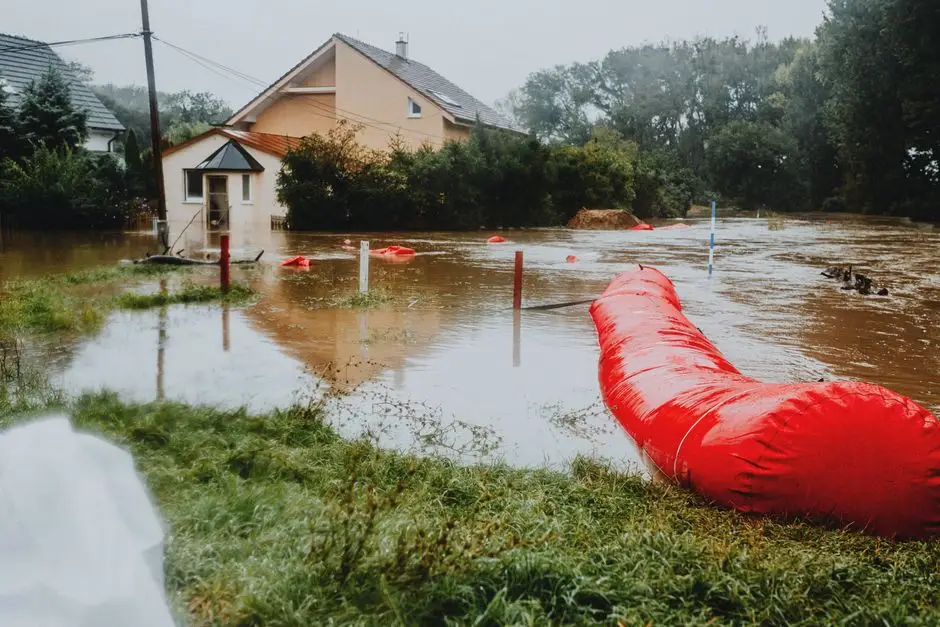
Florida basements flood for reasons that have nothing to do with a rainy day. A slab leak under the floor, a water heater leak in a utility closet, or a washing machine overflow can put two inches of water down before you notice. Add hurricane water intrusion and storm surge flooding along the coast, and below-grade spaces here take a beating. That is why affordable basement water removal in Florida should start with finding the source, not just vacuuming the puddle.
Five steps, from the first call to a dry, documented space. Here is exactly what you experience when our crew pulls up.
Schedule
Call or book online — a real human picks up and confirms a 2-hour arrival window.
Diagnose
Licensed tech inspects on-site, then walks you through the cause and your options.
Fix
The job is completed to code and done right the first time — no shortcuts, no surprises.
Guarantee
Every job backed by a written workmanship warranty — and we stand behind it.
Thermal Imaging Camera
Finds hidden moisture behind drywall and under flooring by reading temperature differences. We use it to map how far water traveled before extraction starts.
Moisture Meter and Hygrometer
Measures moisture content in wood, drywall, and concrete. Daily hygrometer readings confirm the space is drying and tell us when it hits dry standard.
Truck-Mounted Extraction Wand
Pulls large volumes of standing water from carpet and hard floors fast. It is the workhorse for basement water extraction on any job with significant water.
Desiccant Dehumidifier
Dries tight, humid spaces where refrigerant dehumidifiers struggle. We use it in basements with limited airflow and in crawl spaces after extraction.
Air Mover
Circulates air across wet surfaces to speed evaporation. Placement matters, and our techs position them based on the moisture map, not guesswork.
Borescope Camera
Lets us look inside wall cavities and under floors without tearing everything out. It helps confirm whether insulation and framing are wet.
Air Scrubber and Negative Air Machine
Filters airborne particles and creates negative pressure when mold or contamination is present. We run them during remediation work to keep the rest of the home clean.
IICRC S500 Drying Standard
We follow the IICRC S500 standard for water damage restoration, which sets the drying goals and monitoring frequency. That is why we check moisture readings daily instead of guessing when the job is done.
Category-of-Water Protocol
Clean water, gray water, and sewage backup each get a different cleanup protocol. Sewage backup in a basement is category 3 and requires containment, PPE, and antimicrobial treatment before drying.
Xactimate Estimating
We build the scope in Xactimate, the estimating platform most carriers use. That means your adjuster sees line items they recognize, which speeds up approval and reduces back-and-forth.
Daily Moisture Monitoring
Every day of the drying cycle, a tech logs hygrometer and moisture meter readings. You get the numbers, and the log becomes part of the documentation package for your claim.
01
What we do: We dispatch a crew with extraction equipment, shut down the water, pull the standing water, and set drying equipment around the utility area. Saturated drywall and insulation get removed if needed.
→ The space is dry in three to four days, and the failed fitting is flagged for repair so it does not happen again.
02
What we do: Our hurricane crews extract the water, pull the soaked carpet and padding, treat the floor with antimicrobial spray, and set desiccant dehumidifiers to dry the concrete and framing.
→ The basement dries without mold growth, and the documentation supports your storm damage claim.
03
What we do: We extract any standing water, dry the space to standard, and provide a drying report with moisture readings. The report gives the buyer and their inspector documented proof of condition.
→ The sale moves forward with a clear moisture record instead of a stalled closing.
04
What we do: We extract the water, remove wet carpet padding, apply antimicrobial spray, and set air movers and dehumidifiers. Daily hygrometer readings confirm the drying progress.
→ The floor and framing dry without warping, and you have photos and logs for the insurance claim.
Florida below-grade spaces face conditions that basements in drier states do not. Humidity sits high most of the year, so a wet basement that would dry out in Arizona will grow mold here in 24 to 48 hours. Building stock matters too: slab-on-grade construction means a slab leak can push water up through the floor with no visible pipe to blame, and many below-grade spaces sit next to utility closets where a water heater leak or washing machine overflow goes unnoticed until the carpet squishes. Hurricane season, which runs June through November, brings storm surge flooding and wind-driven rain that can fill a basement in hours. Our crews carry desiccant dehumidifiers because standard refrigerant units struggle in Florida's humid air, and we follow the IICRC S500 standard for drying goals. When you need basement water removal in Florida 24/7, we route the nearest crew and stage equipment so the response is same-day, not next-week.
Brandon
Suburban slab-on-grade homes here see slab leaks and water heater failures that push water into below-grade utility spaces.
Wellington
Equine-property homes often have large utility basements and washrooms where washing machine overflows and pipe bursts are common.
Cape Canaveral
Coastal storm surge and hurricane water intrusion drive most basement flooding calls in this barrier-island community.
Titusville
Older housing stock near the Indian River means aging pipes and foundation water seepage are frequent culprits.
Destin
Salt air and storm-driven rain off the Gulf push water into below-grade spaces, and humidity makes drying slower without desiccant equipment.
Year-round high humidity
Wet materials dry slower and mold risk is higher, so we run desiccant dehumidifiers and check readings daily instead of every other day.
Hurricane season June through November
Storm surge and wind-driven rain can flood a basement fast. We stage equipment ahead of landfall and prioritize emergency dispatch during and after storms.
Slab-on-grade construction
Slab leaks push water up through the floor with no visible source. Thermal imaging and moisture meters are essential to find the source before extraction.
Aging plumbing in older neighborhoods
Burst pipes and water heater failures are more common, and the water often sits longer before anyone notices, which means more material removal.
Most basement water calls come down to a handful of causes. We handle all of them, and we fix the source so the water does not come back.
Problem
Water wicks up through concrete and saturates flooring, baseboards, and framing. Left alone, it warps hardwood and feeds mold inside the wall cavity.
Our Fix
We map the moisture with a thermal imaging camera, extract the standing water, and dry the slab and flooring. The leak gets flagged for a licensed plumber so the repair happens before we close out.
Problem
A pressurized line can dump hundreds of gallons in an hour. By the time you see the puddle, drywall and insulation are already soaked.
Our Fix
Our crew shuts the water off, extracts with truck-mounted equipment, and removes saturated drywall and insulation. We dry the framing and document the damage for your claim.
Problem
Storm-driven water carries contaminants and can fill a below-grade space fast. The longer it sits, the more material has to be removed.
Our Fix
We stage equipment ahead of landfall when possible and move in as soon as it is safe. Extraction, antimicrobial treatment, and drying follow, with full documentation for insurance.
Problem
Category 3 water carries pathogens. A shop vac and a fan are not enough, and improper cleanup can leave contamination behind.
Our Fix
Our crews contain the area, wear PPE, extract the water, and treat surfaces with antimicrobial spray. Contaminated materials get bagged and disposed of properly before drying begins.

Standing water in a basement gets expensive fast. Mold can colonize wet drywall in 24 to 48 hours, and warped hardwood flooring rarely comes back. Here is what our process protects.
Mold Stopped in 48 Hours
Mold growth after water damage starts within 24 to 48 hours in Florida humidity. We extract, apply antimicrobial spray, and start drying the same day so spores never get a foothold. Crews take air samples when needed and document conditions for your records.
Structure Dried, Not Just Wet
A wet/dry vacuum gets the puddle. It does not dry the subfloor. We use desiccant dehumidifiers and air movers to pull moisture out of hardwood flooring, carpet padding, and baseboards until hygrometer readings match a dry reference room. That is basement water removal and drying Florida done properly.
Insurance Paperwork Handled
We photograph every affected material, log moisture readings, and build an Xactimate estimate your adjuster can read. That shortens the approval cycle and keeps the scope honest. You get a copy of everything we send.
Same-Day Statewide Response
Our crews run 24/7 and reach most Florida addresses the same day you call. Emergency basement water removal Florida requests get priority dispatch, including nights and weekends. We tell you the arrival window and then we hit it.
Typical 2026 pricing for basement water removal in Florida runs $1,200 to $4,500 for residential jobs, with most falling around $2,200. The range depends on water volume, square footage, how much material has to be removed, and whether mold treatment is needed. We give you a written scope before work starts, so you know what you are paying for. Insurance often covers the extraction and drying when the cause is a sudden event like a burst pipe or water heater failure.
Typical Investment Range
$1,200 - $4,500 depending on scope
The extraction and drying cost is small compared to replacing a subfloor, hardwood flooring, and framing. Doing it right the first time, with documented drying, protects the structure and your insurance claim.
What changes the price
Water volume and depth
An inch of standing water across a large basement takes more extraction time and equipment than a small puddle. Depth also affects how much material has soaked through.
Square footage affected
Larger spaces need more air movers and dehumidifiers, which raises equipment and monitoring costs. A 400-square-foot basement and a 1,200-square-foot basement are different jobs.
Material removal
Carpet padding, drywall, and insulation that have soaked through usually have to come out. Removal and disposal add labor and dumpster costs, but leaving them in place risks mold.
Mold treatment
If mold has already started, remediation adds containment, air scrubbers, and antimicrobial treatment. That work runs under a Florida DBPR Mold-Related Services License and takes extra days.
Water category
Clean water from a burst pipe is simpler than category 3 sewage backup, which requires containment, PPE, and disposal. The cleanup protocol drives the price.
Google ★★★★★4.9
Called at 7 a.m. after a pipe burst in our basement. Crew arrived by 10, extracted everything, and set drying equipment. Daily moisture readings were texted to us. Four days later, dry. The insurance documentation was thorough and our claim went through without a hitch.
Yelp ★★★★★4.8
A sewage backup flooded our below-grade utility room. The crew contained the area, wore full PPE, and cleaned everything properly. They explained the category 3 protocol and documented the whole job. No smell, no mold, and the invoice matched the estimate.
BBB ★★★★★4.9
Storm surge put water in our basement unit. Water Damage Pros Florida pumped it out in under three hours and dried the space over five days. They handled the Xactimate report and followed up after the claim was approved. Straightforward and professional.
Our technicians hold IICRC WRT (Water Damage Restoration Technician) and IICRC ASD (Applied Structural Drying) certifications, and our mold remediation work runs under a Florida DBPR Mold-Related Services License. Crews train on Dri-Eaz and Phoenix Restoration Equipment, and we document every job in Xactimate so adjusters see the same numbers we do. We have pulled water out of below-grade spaces from the Panhandle to the Keys, and we know how Florida building stock behaves when it gets wet.
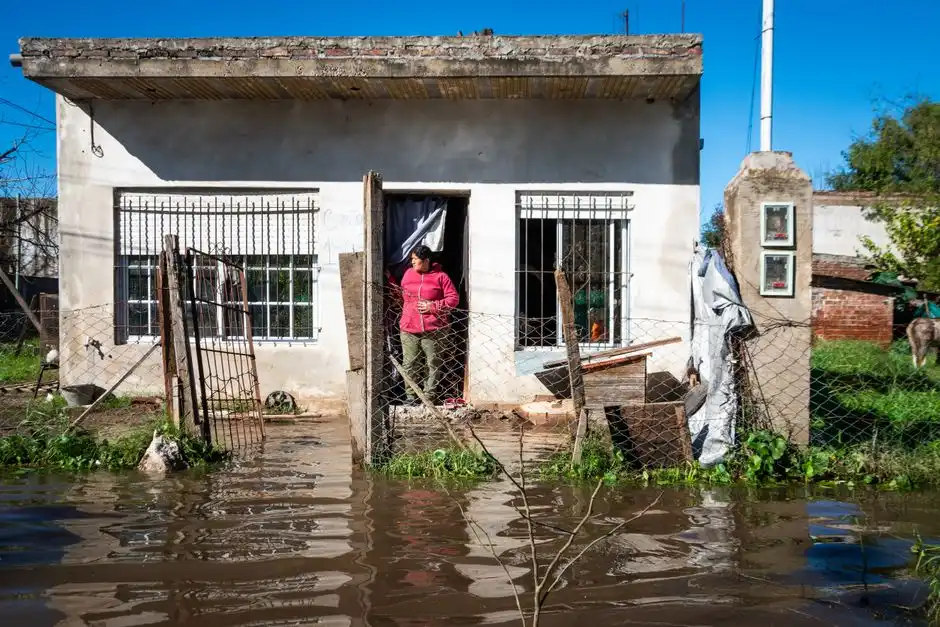
Our crews cover the entire state, and that includes the communities below. Each city gets the same equipment, certifications, and documentation, whether the call is a slab leak in Bonita Springs or storm surge flooding in Cape Canaveral. If you are searching for basement water extraction Florida-wide, we likely have a crew routed near you.
Slab leaks and water heater failures are common in Bonita Springs below-grade spaces. Our crews extract, dry, and document with same-day dispatch.
Brandon's slab-on-grade homes see slab leaks and washing machine overflows that push water into basements. We find the source and dry the space to standard.
Older plumbing in Largo means burst pipes and water heater leaks. Our crews extract standing water and dry framing with daily moisture readings.
Wellington's larger properties often have utility basements where supply hose failures flood the space. We extract, treat, and dry with desiccant equipment.
Aging pipes and foundation seepage drive basement water calls in Titusville. We trace the source with thermal imaging and dry the space to IICRC standards.
Coastal humidity makes drying slower in Riviera Beach. We run desiccant dehumidifiers and check hygrometer readings daily until the space is dry.
Storm-driven rain and hurricane water intrusion affect Ferry Pass below-grade spaces. Our crews extract fast and document for insurance claims.
Agricultural properties in Immokalee often have utility basements where pipe bursts go unnoticed. We extract, dry, and flag the source for repair.
Englewood's coastal location means storm surge and foundation seepage. We pump, extract, and dry with equipment staged for same-day response.
Stuart homes near the water see hurricane water intrusion and slab leaks. Our crews extract, apply antimicrobial spray, and dry to standard.
Azalea Park's older housing stock has aging pipes prone to bursts. We extract standing water and dry the framing with daily monitoring.
Salt air and storm rain push water into Destin below-grade spaces. We use desiccant dehumidifiers to dry thoroughly in coastal humidity.
Lantana's coastal storms and aging plumbing cause basement flooding. We extract, treat, and document the job for your insurance claim.
Storm surge flooding is the main basement water call in Cape Canaveral. Our hurricane crews stage equipment and respond as soon as it is safe.
Loughman's growing residential areas see water heater leaks and washing machine overflows. We extract, dry, and verify with moisture readings.
Real answers to the questions we hear most often from local homeowners and property managers.
When basement water reaches drywall, insulation, or framing, restoration goes beyond extraction. We repair what the water ruined and bring the space back to pre-loss condition, documented for insurance.
View Water Damage RestorationStanding water gets heavier and more damaging by the hour. Our emergency extraction crews pull bulk water fast, day or night, so your basement stops absorbing moisture before mold has a chance to start.
View Emergency Water ExtractionFloodwater carries contaminants that a shop vac should never touch. Our flood cleanup crews handle extraction, antimicrobial treatment, and safe disposal of soaked materials according to category-of-water protocols.
View Flood CleanupSometimes the job is a puddle, sometimes it is inches. Our water removal service scales from a single wet/dry vacuum pass to truck-mounted extraction across a full below-grade footprint, with drying to follow.
View Water RemovalA sewage backup in a basement is a category 3 water event and needs containment, PPE, and antimicrobial treatment before drying. We handle the cleanup and document it for your claim.
View Sewage Backup CleanupAfter a Florida storm pushes water into a below-grade space, we extract, dry, and repair the damage. Roof leaks and wind-driven rain often show up as basement water days after the storm passes.
View Storm Damage RestorationCall (866) 973-3470 any hour of the day and a live dispatcher answers, not a machine. Tell us what flooded and where you are, and we send the nearest crew. Most Florida metro calls get a technician on site within 60 to 90 minutes, and we handle the insurance paperwork from the first visit.
Phone
(866) 973-3470Address
Florida
Hours
Mon–Fri: 7AM – 7PM
Sat: 8AM – 4PM
Sun: Emergency Only
24/7 Emergency Available