
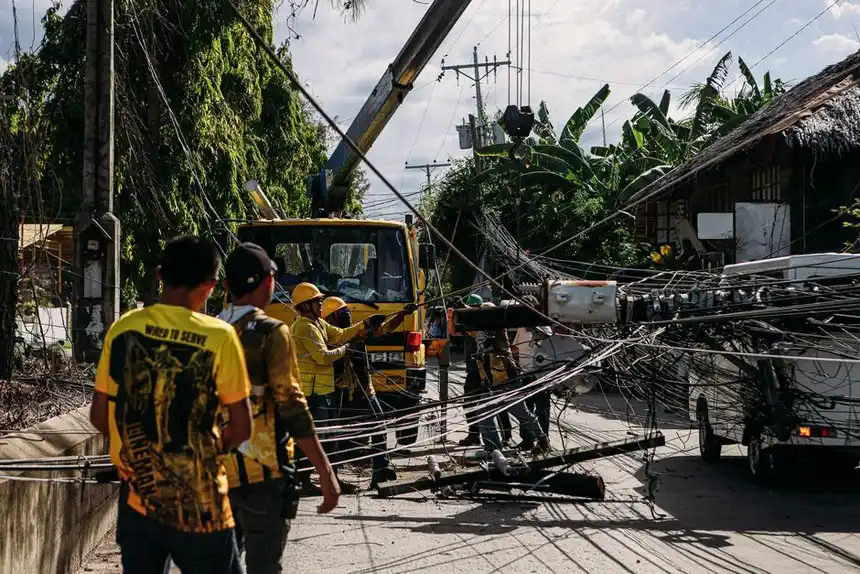
Emergency Board-Up and Tarping
We secure broken windows, damaged roofs, and open walls so rain and intruders stay out. Tarps and plywood go up the same day we arrive. This step protects the rest of the structure while drying is underway.
Every storm job is scoped to the loss, but these are the core items we handle on a standard Florida storm damage restoration. If something falls outside the scope, we tell you before we start, not after.
We secure broken windows, damaged roofs, and open walls so rain and intruders stay out. Tarps and plywood go up the same day we arrive. This step protects the rest of the structure while drying is underway.
Truck-mounted extraction wands and wet/dry vacuums pull standing water from floors, carpet, and crawl spaces. We remove saturated carpet padding and lift baseboards so air can reach the wall cavity. Standing water is gone before drying equipment is set.
Air movers, dehumidifiers, and air scrubbers run until materials hit dry standard. We log moisture meter and thermal imaging camera readings daily. Desiccant dehumidifiers handle tight crawl spaces and closed cavities that standard equipment cannot dry.
Storm water often carries contaminants. We apply antimicrobial spray to affected framing and cavities, set containment with plastic sheeting and negative air machines, and remove unsalvageable materials. This is standard on sewage backup and storm surge losses.
We photograph the loss, map moisture readings, and write Xactimate scopes your adjuster recognizes. You get copies of everything we send your carrier. That documentation is why storm damage repair Florida claims move faster when we are on the job.
Once the structure is dry, we replace drywall, tape, joint compound, insulation, baseboards, paint, and flooring. One licensed team handles dry-out and rebuild, so you are not coordinating between two companies while your house sits open.
Storm Damage Restoration in Florida is the process of securing a storm-damaged home, extracting standing water, and drying the structure back to pre-loss moisture levels. It starts with an emergency tarp or board-up, then moves to water removal with truck-mounted extraction wands and wet/dry vacuums. From there we set air movers, dehumidifiers, and air scrubbers, track daily readings with a moisture meter and thermal imaging camera, and replace what cannot be saved: drywall, insulation, baseboards, carpet padding, and subfloor.
Florida storm damage restoration is not a one-size job. A hurricane that pushes storm surge into a Tampa-area canal home is a different animal than a summer thunderstorm that drives rain through a roof leak in Sarasota. We see slab leaks, burst pipes, sewage backup, crawl space flooding, and hurricane water intrusion every week. If you need affordable storm damage restoration in Florida after a named storm, the clock matters: mold growth after water damage can start within 24 to 48 hours in our humidity.
Every job follows the same five steps, whether it is a single roof leak in Lutz or a whole neighborhood underwater in Port St. Lucie. Here is what you experience, start to finish.
Schedule
Call or book online — a real human picks up and confirms a 2-hour arrival window.
Diagnose
Licensed tech inspects on-site, then walks you through the cause and your options.
Fix
The job is completed to code and done right the first time — no shortcuts, no surprises.
Guarantee
Every job backed by a written workmanship warranty — and we stand behind it.
Thermal Imaging Camera
Finds hidden moisture behind walls, under floors, and in ceilings without cutting open every surface. It shows us where the water actually traveled, not just where the stain is.
Moisture Meter and Hygrometer
Gives us hard numbers on material moisture content and ambient humidity. We log readings daily and use them to decide when drying equipment comes out.
Dri-Eaz and Phoenix Restoration Equipment
Air movers, dehumidifiers, and extraction units built for daily storm work. We run this equipment because it holds up to Florida humidity and heavy job volume.
Desiccant Dehumidifier
Pulls moisture from tight crawl spaces, closed cavities, and cool rooms where refrigerant dehumidifiers struggle. Essential on crawl space flooding and slab-on-grade jobs.
Air Scrubber and Negative Air Machine
Filters airborne particles and creates containment pressure on mold and sewage jobs. Standard equipment on Category 3 losses and any job where we cut into contaminated materials.
Borescope Camera
Lets us look inside wall cavities and behind baseboards without tearing everything open. We use it to confirm the scope before we start cutting.
IICRC S500 Drying Standard
We follow the IICRC S500 standard for water damage restoration, which sets the drying goals, equipment calculations, and documentation requirements. It is the same standard your adjuster references when reviewing a claim.
Xactimate Estimating
Our scopes are written in Xactimate, the estimating platform most Florida insurance carriers use. Line items match what adjusters expect to see, which reduces back-and-forth and speeds up approval.
Daily Moisture Documentation
Every job gets daily moisture meter and thermal imaging readings, logged and photographed. You get copies. This is how we prove the structure is dry before rebuild starts and how we defend the scope if questions come up.
Containment and Antimicrobial Protocol
On mold, sewage, and surge losses, we build containment with plastic sheeting and negative air machines, then apply antimicrobial spray to affected framing. Materials that cannot be saved come out before drying begins.
01
What we do: We extract the water, pull carpet and padding, cut out wet drywall, and set drying equipment the same day. We document everything for your hurricane claim and bill your insurer direct where the policy allows.
→ Carpet and pad replaced, walls dried to standard, and a claim package your adjuster can process without back-and-forth.
02
What we do: We tarp the roof, open the ceiling, extract standing water, and dry the framing and insulation. Once readings hit dry standard, we replace insulation, drywall, tape, joint compound, and paint.
→ Ceiling repaired and painted to match, with no lingering moisture behind the drywall.
03
What we do: We extract standing water, set a desiccant dehumidifier and air movers, treat joists with antimicrobial spray, and monitor daily. We also trace where the water came in, whether it is foundation seepage or a blocked drain.
→ Crawl space dried to standard, odor gone, and a clear answer on how to keep it from flooding again next season.
04
What we do: We pump and extract the standing water, remove saturated materials, and dry the space with air movers and dehumidifiers. We check the pump and drainage while we are there so you are not repeating this next storm.
→ Basement or below-grade room dried, materials replaced, and the drainage issue addressed before the next weather event.
Florida storm damage restoration is shaped by three things: humidity, building stock, and storm type. Summer humidity means drying takes longer here than in drier states, so we run desiccant dehumidifiers and check readings daily instead of relying on a fixed number of days. Building stock varies wildly: 1950s block homes in Sarasota and Lake Worth have different wall assemblies than new construction in Viera East or Cypress Gardens, and that changes how we dry and what we replace. Storm type matters too. Gulf Coast communities like Navarre and Niceville deal with surge and wind-driven rain, while inland areas like Bartow and Lehigh Acres see more roof leaks and foundation seepage after heavy rain. We also work with Florida DBPR mold licensing rules and local permitting, so the rebuild side is code-correct. If you need emergency storm damage restoration Florida crews can deliver after a named storm, call (866) 973-3470.
Sarasota
Older block homes near the bay take on water through door tracks and window frames during surge events. We see saturated stucco and baseboards on almost every storm call here.
Port St. Lucie
Newer slab-on-grade construction with tile floors. Water travels under tile and into adjacent rooms fast, so thermal imaging is critical to find the full extent of the loss.
Navarre
Gulf-front and near-beach homes deal with wind-driven rain and surge. Roof tarping and fast extraction are usually the first priorities after a storm passes.
Lutz
Mix of older homes and new builds on well and septic. Storm power outages knock out pumps, and we see more crawl space and below-grade flooding here.
Year-round humidity above 70 percent
Drying takes longer and mold can start within 24 to 48 hours. We run desiccant dehumidifiers and log daily readings instead of relying on a fixed drying schedule.
Hurricane season June through November
Call volume spikes after named storms. We stage crews regionally so we are not driving across the state to reach a job while water is still standing.
Slab-on-grade construction common statewide
Water spreads under flooring and into adjacent rooms. Thermal imaging and moisture meters are required to find the full footprint before we set equipment.
Storm surge along the Gulf and Atlantic coasts
Surge water is contaminated, so jobs become Category 3 losses with containment, antimicrobial treatment, and material removal before drying can start.
Florida storms cause a predictable set of problems. We have seen them all, and we know what each one does to a house if it is not handled fast.
Problem
Wet insulation stops insulating, ceiling drywall sags, and mold can colonize the attic deck within 48 hours in Florida heat.
Our Fix
We tarp the roof, extract water from the attic and ceiling cavity, remove saturated insulation, and dry the framing with air movers and a dehumidifier. Once dry, we replace insulation, drywall, tape, and joint compound.
Problem
Surge water is contaminated and wicks up drywall fast. Flooring, baseboards, and lower wall sections usually cannot be saved.
Our Fix
We contain the area, remove contaminated materials, apply antimicrobial spray, and dry the structure with desiccant dehumidifiers and air scrubbers. Rebuild follows once moisture readings hit dry standard.
Problem
Standing water rots subfloor and joists, feeds mold, and pushes musty air into living spaces through the HVAC system.
Our Fix
We extract standing water, set air movers and a desiccant dehumidifier, treat framing with antimicrobial spray, and check readings daily. We also identify the entry point, whether it is foundation water seepage or a blocked drain.
Problem
Category 3 water carries bacteria and pathogens. Anything it touches is a health risk, and the smell lingers even after things look dry.
Our Fix
We treat it as a contaminated loss: full containment, negative air machines, removal of affected materials, antimicrobial treatment, and documented drying. We do not rebuild until the structure passes moisture and sanitation checks.
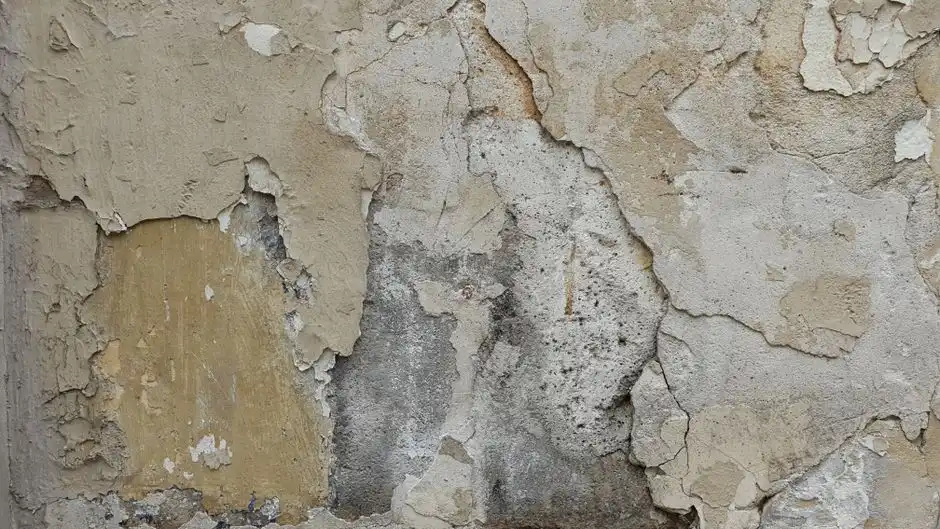
Storm damage gets worse by the hour in Florida heat. These four outcomes are what our customers actually care about when they call at 2 a.m.
We Stop the Damage
Emergency board-up, tarp-over, and water extraction start the same day you call. We shut off the source, pull standing water with truck-mount extraction, and set containment so the damage stops spreading into hallways and adjacent rooms. Most storm calls get a crew on site within hours, not days.
We Dry to a Number
We do not guess. Every room gets a moisture meter and thermal imaging camera reading, and we log daily until materials hit dry standard. Structural drying with desiccant dehumidifiers and air movers typically runs 3 to 5 days for a flooded room, longer for crawl spaces and slab-on-grade homes.
We Work With Your Insurer
We document with photos, moisture maps, and Xactimate line items your adjuster already recognizes. That means fewer denied line items and faster payouts on storm damage repair Florida claims. We bill direct where your policy allows and walk you through the deductible before work starts.
We Rebuild What We Dry
One crew dries it, the same licensed team puts it back: drywall, joint compound, drywall tape, paint, flooring, trim. No handoff to a stranger. That matters when you need storm damage restoration and water removal Florida homeowners can schedule around work and kids.
Typical 2026 pricing for storm damage restoration in Florida runs $2,800 to $12,500 for most residential losses, with larger hurricane or surge jobs going higher. A single-room roof leak with extraction and drying often lands between $1,500 and $3,500. Sewage backup, crawl space flooding, and slab-on-grade jobs cost more because of containment, antimicrobial treatment, and material replacement. We give you a written scope before work starts, and we bill insurance direct where your policy allows.
Typical Investment Range
$1,500 - $12,500 depending on scope, with larger hurricane and surge losses going higher
You are paying for fast extraction, proper drying equipment, daily documentation, and a licensed rebuild. Cutting corners on drying is how a $3,000 job becomes a $15,000 mold remediation. We do it right the first time.
What changes the price
Square footage affected
A 200-square-foot bedroom dries faster and uses less equipment than a 1,200-square-foot open floor plan. More area means more air movers, more dehumidification capacity, and more material replacement.
Water category
Clean rain water is Category 1. Storm surge and sewage backup are Category 3, which requires containment, negative air machines, antimicrobial treatment, and removal of materials that cannot be saved. Category 3 jobs cost more.
Materials affected
Carpet and padding come out and get replaced. Hardwood flooring may be salvageable with specialty drying or may need to be torn out. Drywall, insulation, and baseboards are common replacement items.
Drying time required
Most rooms dry in 3 to 5 days. Crawl spaces, slab-on-grade, and closed cavities can take 5 to 10 days. Longer drying means more equipment days and more monitoring visits.
Rebuild scope
Extraction and drying are one line item. Drywall, tape, joint compound, paint, flooring, and trim are another. A dry-out-only job costs far less than a full dry-and-rebuild.
Insurance coverage and deductible
Most storm damage is covered minus your deductible. Flood and surge usually require a separate policy. We document the loss so your carrier sees the full scope, and we tell you your out-of-pocket before work starts.
Google ★★★★★4.9
Called after a storm pushed water into our garage and laundry room. Crew arrived within a few hours, extracted the water, and set drying equipment. They checked readings daily and sent photos to our insurance adjuster. Everything was dry in four days and the rebuild looked original.
Yelp ★★★★★4.8
Roof leak during a thunderstorm soaked our hallway ceiling. They tarped the roof that night and came back the next morning to open the ceiling and start drying. Insulation and drywall were replaced within two weeks. Fair price and no surprise charges.
BBB ★★★★★4.9
Crawl space flooded after a week of rain and the house smelled awful. They extracted the water, treated the joists, and ran a desiccant dehumidifier for five days. Also found and cleared a blocked foundation drain. Professional from start to finish.
Our technicians hold IICRC WRT (Water Damage Restoration Technician), IICRC ASD (Applied Structural Drying), and IICRC AMRT (Applied Microbial Remediation Technician) certifications. We carry a Florida DBPR Mold-Related Services License and a Florida Certified General Contractor License, plus OSHA 10-Hour Construction Safety and EPA Lead-Safe Certification. That combination matters on storm jobs where we are cutting into walls, handling mold, and rebuilding. We run Dri-Eaz and Phoenix Restoration Equipment because it holds up to daily storm work.
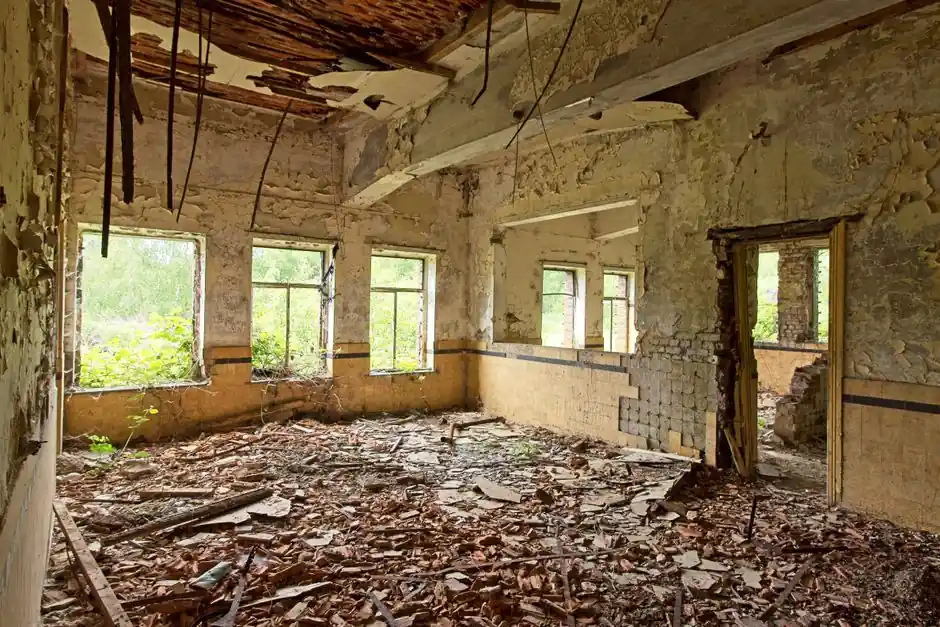
We run storm damage restoration services Florida-wide, with crews staged across multiple regions so we can reach jobs fast after a named storm. From the Panhandle to the Treasure Coast, our teams handle extraction, structural drying, and rebuild under one license. If you are in any of the cities below and need storm damage repair in Florida, call (866) 973-3470.
Slab-on-grade homes and tile floors mean water travels fast. We use thermal imaging to map the full loss before setting drying equipment in Port St. Lucie.
Inland storms bring roof leaks and foundation seepage. We tarp, extract, and dry in Lehigh Acres, then handle the drywall and paint rebuild.
Older Tampa-area homes with mature trees take roof and window damage. We handle emergency tarping and water extraction in Town 'n' Country the same day.
Coastal storms push rain through older window frames and door tracks. We extract, dry, and rebuild in Lake Worth with documentation for your carrier.
Surge and wind-driven rain hit Sarasota hard. We contain, extract, and dry with desiccant dehumidifiers, then replace saturated drywall and flooring.
Gulf-front homes in Navarre deal with surge and roof damage. We tarp the roof, extract water, and run drying equipment until readings hit dry standard.
Storm water and burst pipes both hit Lake Magdalene homes. We extract, dry, and rebuild with one licensed crew and daily moisture documentation.
Well and septic systems plus storm outages mean crawl space and below-grade flooding in Lutz. We pump, extract, and dry with desiccant equipment.
Inland Polk County storms bring heavy rain and roof leaks. We handle extraction, structural drying, and rebuild for Bartow homeowners.
Low-lying areas near the bay flood fast in Gibsonton. We extract standing water, treat with antimicrobial, and dry the structure before rebuild.
Panhandle storms hit Niceville with wind and rain. We tarp, board up, extract, and dry, then rebuild drywall and flooring to match existing finishes.
Rural and suburban homes in Cantonment see roof leaks and crawl space flooding. We extract, dry, and document the loss for your insurance claim.
Newer construction in Viera East dries differently than older block homes. We scope each job with thermal imaging and moisture meters before setting equipment.
Storm water and foundation seepage affect Cypress Gardens homes. We extract, dry with air movers and dehumidifiers, and handle the rebuild.
Orlando-area storms bring wind-driven rain and roof damage to Sky Lake. We tarp, extract, and dry, then replace drywall, tape, and paint.
Real answers to the questions we hear most often from local homeowners and property managers.
Storm water is water damage. We extract, dry, and rebuild after roof leaks, burst pipes, and appliance failures. Same IICRC-certified crews, same documentation, same direct insurance billing for Florida homeowners.
View Water Damage RestorationWhen storm water is still standing, extraction comes first. Truck-mounted wands and wet/dry vacuums pull water fast so drying equipment can actually work. We run this step the same day we arrive.
View Emergency Water ExtractionFlood water carries silt, chemicals, and sometimes sewage. We contain the area, remove contaminated materials, apply antimicrobial spray, and dry the structure. This is standard on storm surge and river flooding jobs across Florida.
View Flood CleanupWater removal is the physical pull of standing water from floors, crawl spaces, and wall cavities. It happens before structural drying and determines how fast the rest of the job goes. We handle it with extraction wands and wet/dry vacuums.
View Water RemovalStorms overwhelm municipal lines and septic systems. Sewage backup is a Category 3 loss, so we use full containment, negative air machines, and antimicrobial treatment before any rebuild. This is not a job for a shop vac and a fan.
View Sewage Backup CleanupHurricane water intrusion comes from wind-driven rain, surge, and roof failures. We tarp, extract, dry, and rebuild. We run crews around the clock after named storms so Florida homeowners are not waiting weeks for help.
View Hurricane Water Damage RestorationCall (866) 973-3470 any hour of the day and a live dispatcher answers, not a machine. Tell us what flooded and where you are, and we send the nearest crew. Most Florida metro calls get a technician on site within 60 to 90 minutes, and we handle the insurance paperwork from the first visit.
Phone
(866) 973-3470Address
Florida
Hours
Mon–Fri: 7AM – 7PM
Sat: 8AM – 4PM
Sun: Emergency Only
24/7 Emergency Available