
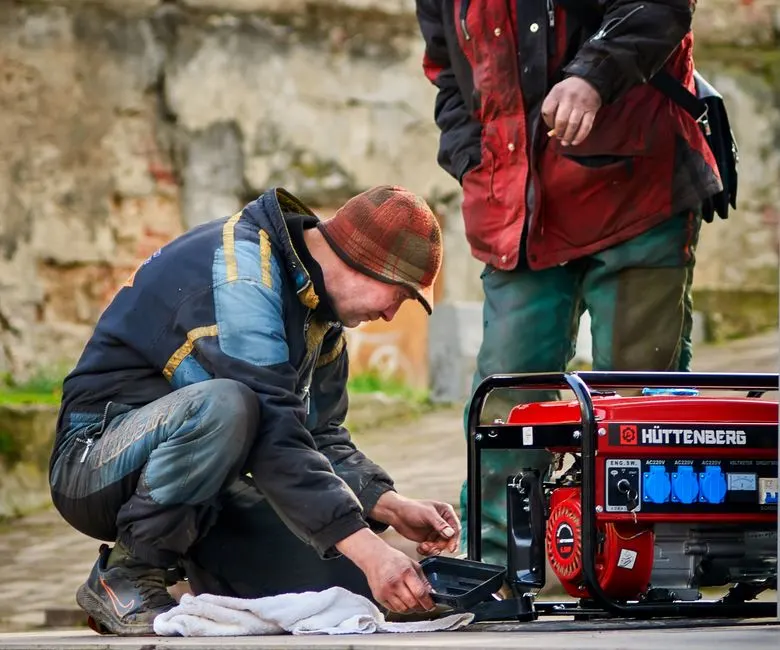
Black water extraction
We pump and vacuum standing sewage from floors, showers, and low spots using wet/dry vacuums and extraction wands. Getting the water out fast limits how far contamination wicks into walls and subfloor.
Every sewage job starts with the same core scope: remove the contaminated water, remove what cannot be saved, disinfect what stays, and dry the structure. Rebuild -- new drywall, paint, flooring, and trim -- is quoted separately once the structure passes a moisture check. Here is what is covered in the standard scope.
We pump and vacuum standing sewage from floors, showers, and low spots using wet/dry vacuums and extraction wands. Getting the water out fast limits how far contamination wicks into walls and subfloor.
Carpet, carpet padding, baseboards, insulation, and any drywall that absorbed sewage come out and get bagged for proper disposal. Porous materials cannot be disinfected, so removal is the only safe option.
We apply EPA-registered antimicrobial spray to framing, subfloor, and wall cavities, then fog enclosed spaces. This step kills bacteria and neutralizes the odor source rather than masking it.
Air movers, dehumidifiers, and a desiccant dehumidifier for tight spaces run until moisture readings return to dry standard. We check with a moisture meter and thermal imaging camera daily and log the results.
After drying, we treat the space with an air scrubber and odor-neutralizing fog. Sewage odor lives in the subfloor and joint compound, so we target the cavity, not just the air.
Photos, moisture logs, and an Xactimate estimate are packaged for your adjuster. This is the paperwork that gets a sewage claim approved instead of disputed.
Sewage Backup Cleanup in Florida is the process of extracting Category 3 black water, removing contaminated building materials, and disinfecting the structure so it is safe to live in again. Sewage carries bacteria, viruses, and parasites, so anything porous it touches -- carpet padding, drywall, insulation, baseboards -- comes out. We set containment with plastic sheeting, run air scrubbers and a negative air machine, then verify dryness with a moisture meter and thermal imaging camera before we close up.
Florida homes back up for predictable reasons. Flat lots in coastal towns send waste backward through the cleanout during heavy rain. Older cast iron and Orangeburg pipe in inland neighborhoods collapses or roots out. Septic systems in rural counties overload after a week of houseguests. When a sewage backup hits, the clock matters: mold can start colonizing wet drywall in 24 to 48 hours, and the smell sinks into subfloor and joint compound fast. That is why we run emergency sewage backup cleanup Florida crews around the clock.
Every job follows the same five stages, whether it is a single bathroom in Temple Terrace or a flooded commercial building in Panama City. Here is exactly what you will see from the first call to the final walkthrough.
Schedule
Call or book online — a real human picks up and confirms a 2-hour arrival window.
Diagnose
Licensed tech inspects on-site, then walks you through the cause and your options.
Fix
The job is completed to code and done right the first time — no shortcuts, no surprises.
Guarantee
Every job backed by a written workmanship warranty — and we stand behind it.
Moisture meter and hygrometer
Measure moisture content in drywall, subfloor, and framing so we know when a structure is actually dry, not just dry to the touch.
Thermal imaging camera
Finds hidden moisture behind walls and under floors without tearing open more than necessary.
Dri-Eaz and Phoenix Restoration Equipment air movers
High-velocity air movement that evaporates moisture from surfaces so dehumidifiers can pull it out of the air.
Desiccant dehumidifier
Pulls moisture from tight, cool spaces like crawl spaces and closets where standard refrigerant dehumidifiers struggle.
Air scrubber and negative air machine
Filters airborne contaminants and keeps sewage odors and particles from spreading to unaffected rooms during demolition.
Borescope camera
Lets us inspect inside wall cavities and drain lines to find the source and confirm the scope of contamination.
Wet/dry vacuum and extraction wand
Removes standing black water and pulls sewage out of carpet and hard surfaces before demolition begins.
IICRC S500 water damage standard
The industry standard for extraction, drying, and documentation. We follow it on every job, which is what makes our drying logs and moisture readings credible with adjusters.
Category 3 black water protocol
Sewage is the most contaminated category of water loss. Our protocol requires removal of porous materials, antimicrobial treatment, and containment -- not just drying.
Xactimate estimating
The same estimating platform most Florida carriers use. Building the claim in Xactimate reduces back-and-forth and speeds up approval.
Antimicrobial fogging
After surface spraying, we fog enclosed cavities to reach areas a spray bottle cannot. This is the step that eliminates odor at the source.
01
What we do: We respond 24/7, extract the water, remove contaminated flooring, and disinfect the unit. Photo documentation goes straight to the property owner and the insurance carrier.
→ The unit is dry and rentable within a week, and the owner has a claim-ready file without driving to the property.
02
What we do: We work after closing hours, contain the kitchen area, extract and disinfect the floor, and dry the space overnight so the health inspector signs off.
→ The kitchen reopens the next morning with no failed inspection and no lingering odor in the dining room.
03
What we do: We pump the standing water, remove soaked drywall and insulation, apply antimicrobial spray, and run a desiccant dehumidifier to pull moisture out of the block walls.
→ The garage dries to standard in four days, and the homeowner avoids a mold problem behind the finished wall.
04
What we do: We dispatch a holiday crew, extract the water from the bathroom and hallway, remove carpet and padding, and disinfect the slab.
→ The house is safe to use by evening, and the family stays home instead of moving to a hotel.
Florida's flat terrain, high water table, and sandy soil make sewage backups a year-round problem rather than a seasonal one. During the rainy season from June through November, city mains surcharge and septic drain fields saturate, pushing waste backward into the lowest fixture in the house. Coastal towns like Panama City Beach and Apollo Beach deal with storm surge and saltwater intrusion that corrode cast iron and shorten the life of drain lines. Inland communities like Lake Wales and Dade City rely on septic systems that overload after a week of heavy rain. Building stock matters too: block construction with slab-on-grade floors means sewage wicks sideways into drywall before it shows on the surface, and a borescope camera is often the only way to see how far it traveled. We follow Florida DBPR requirements for mold-related work and pull permits when the rebuild scope requires it. If you need emergency sewage cleanup near me Florida, our crews are staged to reach both coasts and the Panhandle quickly.
Temple Terrace
Older homes near the river use original cast iron drain lines that root out and collapse, sending sewage up through shower drains.
Panama City Beach
Salt air and storm surge corrode exterior cleanouts and drain lines, so backups here often follow a named storm.
Valrico
Large lots on septic systems overload during wet season, and backups tend to hit the lowest bathroom first.
Port Charlotte
Canal-front homes sit on a high water table, so sewage backs up fast and drying takes longer than inland jobs.
Rainy season from June through November
Saturated ground and surcharged mains push sewage backward into homes, and the call volume spikes for weeks at a time.
High water table in coastal counties
Groundwater limits how fast a crawl space or slab can dry, so we run desiccant dehumidifiers longer on coastal jobs.
Slab-on-grade block construction
Sewage wicks sideways through block and drywall, so we use thermal imaging to map the spread before cutting.
Aging cast iron and Orangeburg drain lines
Older pipes fail without warning, and the fix requires a plumber plus full sewage cleanup to make the repair permanent.
Sewage backups show up in a few predictable ways across the state. Here are the ones we get called for most, and what happens if you leave them alone.
Problem
City mains surcharge and push waste backward through the lowest drain in the house, flooding bathrooms and hallways with black water.
Our Fix
We extract the water, pull the affected flooring and baseboards, disinfect the slab, and dry the structure. We also document the surcharge cause for your claim, since many Florida policies treat it differently than a simple clog.
Problem
The drain field saturates and sewage backs into the lowest fixture, usually a tub or floor drain, spreading contamination across the bathroom floor.
Our Fix
Our crews pump out the backup, remove contaminated flooring, and treat the area with antimicrobial spray. We also flag whether the tank needs pumping before you use water again.
Problem
Older pipes fail under the slab and sewage seeps upward, soaking subfloor and leaving a persistent odor that no amount of cleaning removes.
Our Fix
We run a borescope camera to locate the break, extract the water, remove soaked materials, and dry the slab. We coordinate with a licensed plumber for the pipe repair so the fix is permanent.
Problem
A blocked drain line sends soapy gray water and sewage across the laundry room floor, wicking into drywall and baseboards within hours.
Our Fix
We extract the water, cut out wet drywall and baseboards, disinfect, and set drying equipment. Most laundry room jobs dry in three to four days.
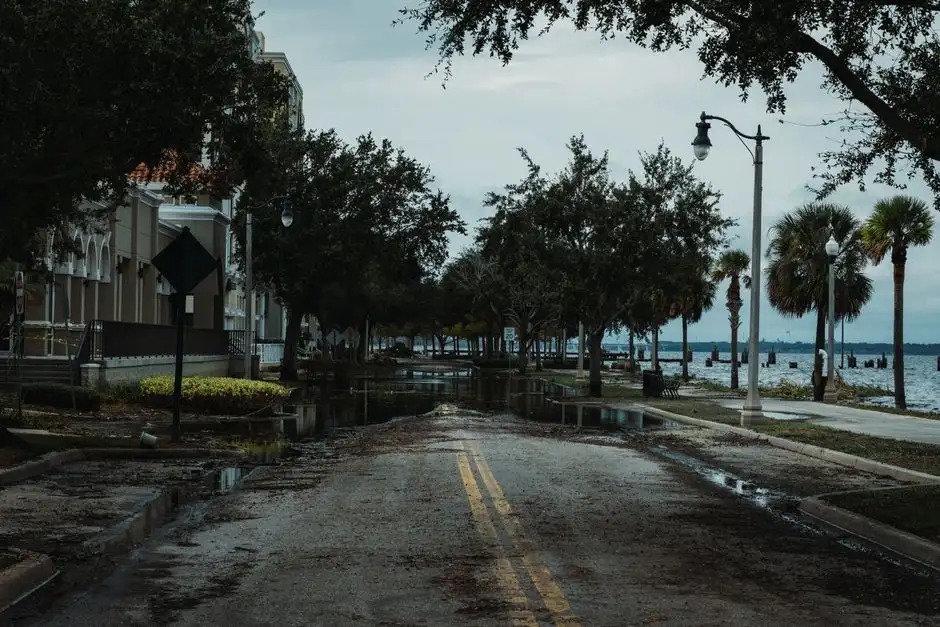
A sewage backup is a health problem, not just a mess. We remove the hazard, dry the structure, and document everything your insurance adjuster needs -- usually in a single day of work.
24/7 emergency response
Sewage does not wait for business hours. Our crews roll on nights, weekends, and holidays, and we aim to be on-site within 60 to 90 minutes in most metro areas. That speed matters because bacteria multiply and odors set into subfloor the longer black water sits.
Full sanitization, not just a mop
We apply EPA-registered antimicrobial spray to every affected surface, then fog the cavity behind the walls. Extraction alone leaves behind the biofilm that causes the smell. Our sewage backup cleanup and sanitization Florida protocol treats the source, not the symptom.
Insurance paperwork handled
We photograph and measure every affected room, log moisture readings, and build the estimate in Xactimate, the same software most carriers use. That means fewer back-and-forth calls and a cleaner claim. We have worked thousands of sewage claims with adjusters across the state.
Drying verified with instruments
We do not guess when a floor is dry. A hygrometer and infrared thermometer confirm moisture content in the subfloor and wall cavities, and we leave a written drying log. Structural drying to IICRC ASD standards is what keeps mold from returning three weeks later.
Typical 2026 pricing for residential sewage cleanup in Florida runs $1,200 to $6,500, with most jobs landing near $2,800. The number depends on square footage, how much material has to be removed, and how long drying takes. We quote the job before we start, and we build the estimate in Xactimate so your carrier sees the same numbers we do. If you are comparing affordable sewage backup cleanup in Florida, ask for the scope in writing -- that is where the real difference shows.
Typical Investment Range
$1,200 - $6,500 depending on scope, with most residential jobs near $2,800
The price covers extraction, demolition, disinfection, drying, and documentation -- the full scope that makes a home safe again. Cutting corners on disinfection is how mold and odor come back three weeks later.
What changes the price
Square footage affected
A single bathroom runs far less than a whole first floor. Extraction, disinfection, and drying are all priced by area, so the bigger the footprint, the higher the total.
Material removal
Carpet, padding, baseboards, insulation, and drywall that absorbed sewage must come out. The more porous material in the affected area, the more demolition and disposal the job requires.
Drying duration
Most jobs dry in three to five days. Coastal homes on a high water table sometimes need a desiccant dehumidifier for an extra day or two, which adds equipment time.
Category of contamination
Black water from a sewage line is Category 3 and requires full antimicrobial treatment and material removal. Gray water from a washing machine overflow is a lighter scope.
Access and containment
Crawl spaces, tight bathrooms, and multi-story homes take longer to contain and dry. Difficult access adds labor but not equipment.
Google ★★★★★4.9
Called at 11 p.m. with sewage in the hallway. They were here in under an hour, taped everything off, and had the water out by 1 a.m. Dryers ran four days and the smell never came back. Fair price and no surprises.
BBB ★★★★★4.8
They handled our rental property sewage backup and dealt with the insurance adjuster directly. Photos, moisture logs, Xactimate estimate -- everything was in order. We did not have to chase anyone for paperwork.
Yelp ★★★★★4.9
A cast iron drain failed under our slab and sewage came up in the shower. They found the break with a camera, removed the soaked flooring, and disinfected the whole bathroom. Professional crew, clean work area.
Our technicians hold IICRC WRT, ASD, and AMRT certifications, which cover water damage restoration, applied structural drying, and microbial remediation. We work under a Florida DBPR Mold-Related Services License and carry Florida Workers' Compensation Insurance on every crew. Sewage jobs are not a side service for us -- they are a core part of what we do across the state, from single-family homes to restaurants and rental properties. We know how Florida adjusters read a claim, and we build the file to match.
Our crews cover the whole state, from the Panhandle to the Treasure Coast. Whether you are in a beach town or an inland community on septic, we bring the same equipment, the same certifications, and the same documentation standard. Here is a sample of the cities where we run Florida sewage cleanup jobs.
Sewage backups in Port Saint Lucie often follow heavy rain and surcharged mains. We extract, disinfect, and dry homes across the city, usually within 90 minutes of your call.
Panama City's older drain lines and storm-driven surcharges keep us busy. We handle black water extraction, material removal, and full antimicrobial treatment for homes and small commercial buildings.
Melbourne homes on septic systems back up when the drain field saturates. Our crews pump out the backup, remove contaminated flooring, and dry the structure to a verified standard.
Canal-front properties in Port Charlotte sit on a high water table, so sewage spreads fast. We use thermal imaging to map the contamination and desiccant dehumidifiers to dry block walls.
Bradenton's mix of older homes and new construction means both failing cast iron and root intrusion. We locate the break with a borescope camera and clean up the sewage in the same visit.
Valrico properties on large lots with septic systems overload during the wet season. We respond 24/7, extract the water, and disinfect the affected rooms before mold can start.
Storm surge and saltwater intrusion corrode drain lines in Apollo Beach. We handle the sewage cleanup and flag corroded cleanouts so the next storm does not cause the same problem.
Temple Terrace's older housing stock relies on original cast iron drains that root out and collapse. We extract, remove soaked materials, and dry the slab after the plumber makes the repair.
Lealman homes with slab-on-grade construction hide sewage spread behind the walls. Our thermal imaging cameras find the moisture, and we cut out only what has to come out.
Panama City Beach rentals take a beating from storm surge and salt air. We clean up sewage backups fast so units can be re-rented, with full photo documentation for the owner's claim.
Inland Lake Wales properties depend on septic systems that saturate after heavy rain. We pump out backups, disinfect the area, and advise on tank maintenance to prevent a repeat.
Oldsmar's proximity to the bay means a high water table and slow drying. We run desiccant dehumidifiers longer here to bring subfloor and framing back to dry standard.
North Palm Beach homes with older plumbing see sewage backups from failed drain lines. We extract the water, remove contaminated materials, and handle the insurance documentation.
Rotonda West's canal-side homes back up when mains surcharge during storms. Our crews extract black water, apply antimicrobial spray, and dry the structure in three to five days.
Dade City's rural properties on septic systems call us when drain fields fail. We handle the full cleanup -- extraction, demolition, disinfection, and drying -- with one crew.
Real answers to the questions we hear most often from local homeowners and property managers.
When a supply line or slab leak soaks your home, water damage restoration covers extraction, drying, and repairs. Sewage jobs use the same drying equipment but add full disinfection because the water is contaminated.
View Water Damage RestorationStanding water is the first thing we remove on any sewage call. Our extraction crews use wet/dry vacuums and extraction wands to pull water fast, which limits how far contamination spreads into adjacent rooms.
View Emergency Water ExtractionFloodwater and sewage often arrive together after a storm. Flood cleanup handles the mud, debris, and soaked materials, and we layer sewage disinfection on top when the water came through a drain or toilet.
View Flood CleanupWater removal is the mechanical side of the job -- pumping and vacuuming out what should not be there. On a sewage backup, we remove the water first, then treat every surface it touched with antimicrobial spray.
View Water RemovalHeavy rain overwhelms city mains and septic drain fields, pushing sewage backward into homes. Storm damage restoration covers the roof, siding, and structural repairs, and we handle the contaminated water inside.
View Storm Damage RestorationHurricane surge and wind-driven rain cause widespread water intrusion, and sewer systems often back up at the same time. We coordinate hurricane water damage restoration with sewage cleanup so one crew handles both problems.
View Hurricane Water Damage RestorationCall (866) 973-3470 any hour of the day and a live dispatcher answers, not a machine. Tell us what flooded and where you are, and we send the nearest crew. Most Florida metro calls get a technician on site within 60 to 90 minutes, and we handle the insurance paperwork from the first visit.
Phone
(866) 973-3470Address
Florida
Hours
Mon–Fri: 7AM – 7PM
Sat: 8AM – 4PM
Sun: Emergency Only
24/7 Emergency Available