
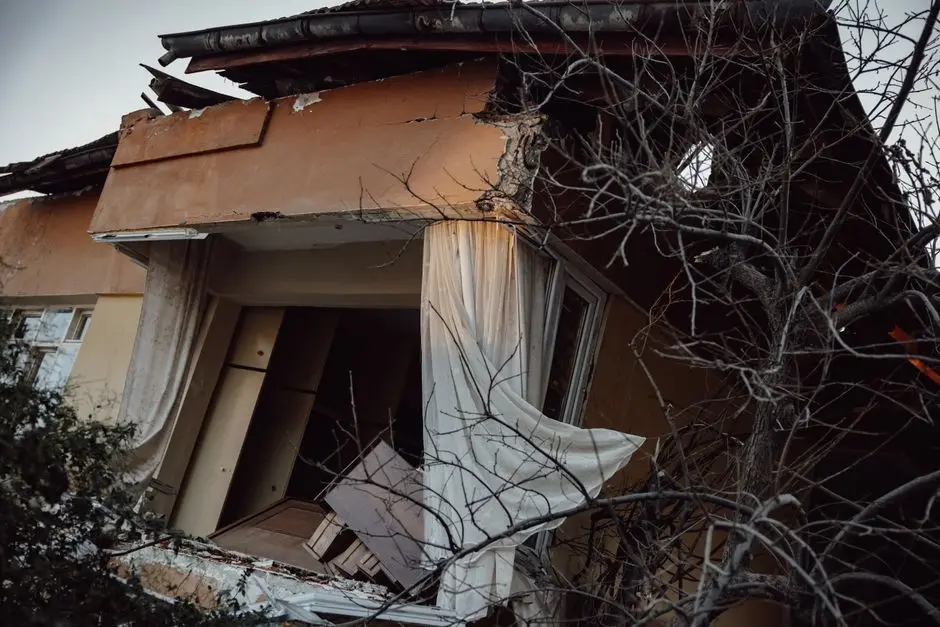
Emergency Water Extraction
Extraction wand and wet/dry vacuum work pull standing water from carpet, hardwood, and subfloor. We start on arrival, usually within hours of your call, and keep extracting until the bulk water is gone.
Every job includes the core steps that get a structure dry and documented. What changes is the scope: a clean-water pipe leak is a smaller job than a sewage backup or storm surge flooding. Here is what is standard on a typical loss.
Extraction wand and wet/dry vacuum work pull standing water from carpet, hardwood, and subfloor. We start on arrival, usually within hours of your call, and keep extracting until the bulk water is gone.
A moisture meter, thermal imaging camera, and borescope camera map how far water traveled behind drywall and under flooring. The map drives the equipment layout and gives your adjuster a clear picture of the loss.
Air movers and dehumidifiers run in a calculated layout, with a desiccant dehumidifier added for crawl spaces. We monitor with a hygrometer daily and keep equipment running until readings match the dry standard.
Antimicrobial spray goes on framing and drywall after extraction to slow mold growth after water damage. On sewage backup cleanup, contaminated materials come out first and the area is treated before drying begins.
You get a completion report with final moisture readings, photos, and the equipment log. That is the document your insurance carrier needs to close the claim, and it is the proof that the structure is dry.
Water Damage Restoration in Florida is the process of removing standing water, drying wet materials, and returning a building to pre-loss condition. It starts with a moisture meter and thermal imaging camera to map how far water traveled behind drywall and under flooring. From there, extraction wand and wet/dry vacuum work pull the bulk water, and air movers paired with dehumidifiers dry the structure. We check readings with a hygrometer and infrared thermometer daily until the numbers hold.
Florida buildings fail in predictable ways. A slab leak under a Tampa ranch home, a burst pipe in a Wesley Chapel new build, or storm surge pushing into a Satellite Beach garage all create the same clock: mold can start in 24 to 48 hours. That is why our Florida water damage restoration crews treat every call as urgent. If you are searching water damage repair near me Florida after a storm, we answer the phone and dispatch a crew with extraction equipment already loaded.
Every job follows the same five steps, whether it is a washing machine overflow in Dunedin or hurricane water intrusion in Miramar Beach. Here is what happens and how long it takes.
Schedule
Call or book online — a real human picks up and confirms a 2-hour arrival window.
Diagnose
Licensed tech inspects on-site, then walks you through the cause and your options.
Fix
The job is completed to code and done right the first time — no shortcuts, no surprises.
Guarantee
Every job backed by a written workmanship warranty — and we stand behind it.
Thermal Imaging Camera
Finds hidden water behind drywall and under flooring by showing temperature differences. It tells us where to cut and where to place equipment.
Moisture Meter and Hygrometer
Measures moisture content in drywall, wood, and concrete, and tracks relative humidity in the air. Daily readings document drying progress.
Dri-Eaz and Phoenix Air Movers
High-velocity air movers evaporate moisture from wet surfaces so dehumidifiers can remove it from the air. We calculate the number of units per room.
Desiccant Dehumidifier
Pulls moisture from the air in crawl spaces and tight areas where refrigerant dehumidifiers struggle. It is the tool that dries a flooded crawl space.
Extraction Wand and Wet/Dry Vacuum
Pulls standing water from carpet, hardwood, and subfloor. We use Milwaukee and DeWalt tools and Ryobi wet/dry vacuums for tight spots.
Borescope Camera
Looks inside wall cavities and under cabinets to confirm water travel and check for mold growth after water damage without tearing out more than needed.
IICRC S500 Drying Standard
We follow the IICRC S500 standard for water damage restoration, which sets the drying goals and the documentation required. That is why we take daily moisture readings and keep equipment running until the numbers hold.
IICRC ASD Applied Structural Drying
Our IICRC ASD-certified technicians calculate equipment placement based on room volume, material type, and water category. The result is a drying plan, not a guess, and it usually finishes in three to five days.
Xactimate Documentation
We write the scope in Xactimate-compatible format so your insurance adjuster can process the claim without back-and-forth. Photos, moisture maps, and equipment logs go with it.
Antimicrobial Application
After extraction and removal of unsalvageable materials, we apply antimicrobial spray to framing and drywall. On sewage backup cleanup, this step follows removal of contaminated materials and precedes drying.
01
What we do: We extract the water, pull the wet carpet padding, and set air movers and a dehumidifier. The vinyl and baseboards are checked with a moisture meter, and drying runs three to four days.
→ The carpet is saved, the padding is replaced, and the moisture readings are dry on day four. The homeowner has a documented report for the insurance claim.
02
What we do: We extract the water, remove wet carpet and padding, and dry the subfloor and wall cavities with air movers and a dehumidifier. Antimicrobial spray goes on the framing.
→ The unit is dry in four days, and the report supports the storm claim. The owner avoids a mold remediation job.
03
What we do: We shut off the water, extract, cut out the wet drywall, and set drying equipment. A moisture meter checks the framing before the repair phase.
→ Drying finishes in three days, and the drywall is replaced. The homeowner gets a written scope and photos for the adjuster.
04
What we do: A licensed plumber stops the leak, then we extract the water, pull the wet padding, and dry the subfloor with air movers and a dehumidifier. Daily readings track progress.
→ The subfloor is dry in four days, and the carpet is reinstalled with new padding. The documentation supports the claim.
Florida water damage has its own patterns. Summer thunderstorms push rain through roof penetrations and window seals, and hurricane season brings storm surge flooding to coastal communities. Inland, slab leaks and burst pipes are common in older ranch homes, while new construction in Wesley Chapel and Riverview often has supply line failures. The humidity is the wild card: a wet structure in Florida dries slower than in a dry climate, so we run dehumidifiers longer and monitor with a hygrometer daily. Building codes matter too. We work under a Florida Certified General Contractor License and follow Florida DBPR Mold-Related Services License requirements when remediation is part of the job. If you need emergency water damage restoration Florida crews can deliver after a storm, call and we will tell you the nearest crew and the arrival window. We also handle water damage restoration and mold remediation Florida homeowners need when a small leak has been running for weeks.
Tampa
Older ranch homes and bungalows often have cast-iron drains and slab leaks. We see a lot of water heater leaks and washing machine overflows in these neighborhoods.
Wesley Chapel
Newer construction with PEX supply lines and tight building envelopes. A small leak can trap humidity, so we run dehumidifiers longer and check wall cavities with a borescope camera.
Crystal Beach
Coastal homes near the water deal with storm surge and wind-driven rain. Salt air and humidity make drying slower, and we plan for extra drying days.
Dunedin
Older homes with mature trees and roof penetrations. After a storm, we often find roof leaks that traveled along framing into ceiling cavities.
High year-round humidity
Wet materials dry slower in Florida, so we run dehumidifiers longer and monitor with a hygrometer daily. A job that would take three days in a dry climate can take four or five here.
Hurricane season from June through November
Storm surge flooding and wind-driven rain create large losses that require extraction equipment and drying capacity sized for multiple rooms. We stage crews and equipment ahead of landfall.
Older plumbing in established neighborhoods
Cast-iron drains and galvanized supply lines fail more often, and slab leaks are common. We coordinate with a licensed plumber to stop the leak before drying begins.
Most water losses in Florida fall into a handful of categories. Knowing which one you have tells you how fast you need a crew and what the job will involve.
Problem
Water wicks into drywall, baseboards, and subfloor within hours, and mold can start in 24 to 48 hours. Hardwood flooring can cup and need replacement if it stays wet.
Our Fix
We shut down the source with a licensed plumber, extract the water, and dry the structure with air movers and dehumidifiers. Daily moisture readings prove the subfloor and framing are dry before we close up.
Problem
Water travels along framing and drips into ceilings and walls far from the leak. Insulation stays wet and hidden, which drives humidity up and feeds mold growth after water damage.
Our Fix
We trace the water with a thermal imaging camera and moisture meter, extract, and dry the ceiling and wall cavities. If mold is present, our AMRT-trained leads handle remediation under the Florida DBPR Mold-Related Services License.
Problem
Category 3 water carries bacteria and requires removal of contaminated materials. Drying alone will not make the space safe, and the loss is often larger than it looks.
Our Fix
We remove contaminated drywall, insulation, and flooring, apply antimicrobial spray, and dry the remaining structure. The job is documented for insurance, and we handle the repair phase after drying.
Problem
Water under the house keeps humidity high and can warp floor joists. The living space above stays humid, and mold can grow on framing you cannot see.
Our Fix
We extract the water, set a desiccant dehumidifier in the crawl space, and monitor with a hygrometer until the space is dry. We also check for foundation water seepage so the problem does not return.
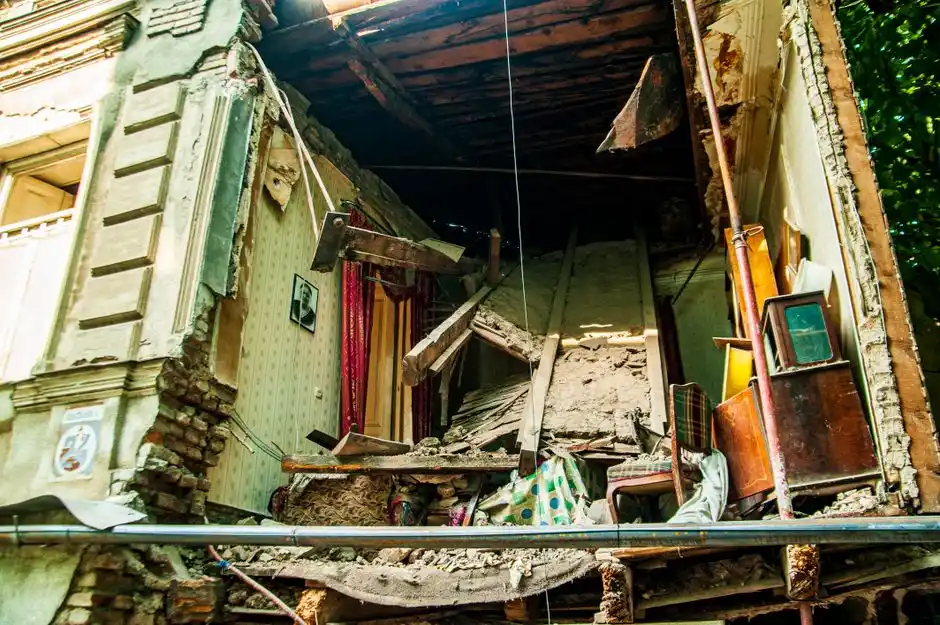
Water damage gets worse by the hour, and the difference between a dry house and a mold job is how fast a crew with real equipment shows up. Here is what that looks like in practice.
Fast Statewide Response
We run crews out of multiple Florida hubs, so a burst pipe in Riverview or a roof leak in Rockledge gets a technician on site the same day in most cases. Extraction starts on arrival, not after a paperwork delay.
Drying Verified by Meter
We do not guess when a wall is dry. Daily hygrometer and moisture meter readings document the drying progress, and we keep the equipment running until the numbers match a dry standard. That record also supports your insurance claim.
Insurance-Ready Documentation
Photos, moisture maps, and an Xactimate-style scope go to your adjuster so the claim moves. We have worked enough Florida water damage repair claims to know what carriers ask for and how to document a sewage backup versus a clean-water loss.
Mold Handled Under One Roof
When mold growth after water damage shows up, our IICRC AMRT-trained technicians handle remediation under the Florida DBPR Mold-Related Services License. You get water damage restoration and mold remediation Florida properties need without juggling two contractors.
Typical 2026 pricing in Florida runs $1,200 to $4,500 for a residential water loss, with larger storm or sewage jobs reaching $10,000 or more. The price depends on water category, square footage, and how many days of drying are needed. Clean-water extraction and drying on a small area is on the low end. Sewage backup cleanup with contaminated material removal is on the high end. We provide a written scope before work starts, and we document the loss for your insurance claim.
Typical Investment Range
$1,200 - $4,500 for most residential jobs; $10,000+ for large storm or sewage losses
The cost of drying a structure is almost always less than the cost of tearing out moldy drywall and rebuilding. Fast extraction and documented drying protect your flooring, framing, and insurance claim.
What changes the price
Water category
Clean water from a supply line is the least expensive to handle. Gray water from a washing machine or dishwasher costs more. Sewage backup is category 3 and requires removal of contaminated materials, which adds labor and disposal cost.
Square footage affected
A 100-square-foot bathroom is a smaller job than 600 square feet of carpet and drywall. More area means more extraction, more air movers, and more days of drying.
Drying days required
Most Florida homes dry in three to five days. Crawl space flooding or storm surge flooding can push drying to seven days, which adds equipment rental and monitoring time.
Material replacement
Carpet padding, baseboards, and drywall that cannot be saved have to be removed and replaced. Hardwood flooring and subfloor replacement add cost.
Mold remediation
If mold growth after water damage is present, remediation adds scope. Our AMRT-trained leads handle it under the Florida DBPR Mold-Related Services License.
Google ★★★★★4.9
Called at 6 a.m. after a pipe burst in the attic. The crew was at the house by 9 and had extraction running by 9:30. They documented everything and worked with my insurance. Drying was done in four days.
Google ★★★★★4.8
Sewage backup in the laundry room. They removed the contaminated drywall, treated the area, and dried it out. The report was thorough, and the adjuster approved the claim without questions.
BBB ★★★★★4.9
Storm pushed water under our back door and soaked the carpet. They pulled the carpet, set equipment, and checked readings daily. Professional crew and clear communication.
Our technicians hold IICRC WRT (Water Damage Restoration Technician) and IICRC ASD (Applied Structural Drying) certifications, and our remediation leads carry IICRC AMRT. We work under a Florida Certified General Contractor License and carry Florida Workers' Compensation Insurance. Equipment is pro-grade: Dri-Eaz and Phoenix Restoration Equipment air movers and dehumidifiers, Milwaukee and DeWalt tools, and Ryobi wet/dry vacuums for tight spots. We document every job in Xactimate-compatible format so carriers process claims faster. That combination of certification, equipment, and paperwork is what separates a real restoration crew from a guy with a shop vac.
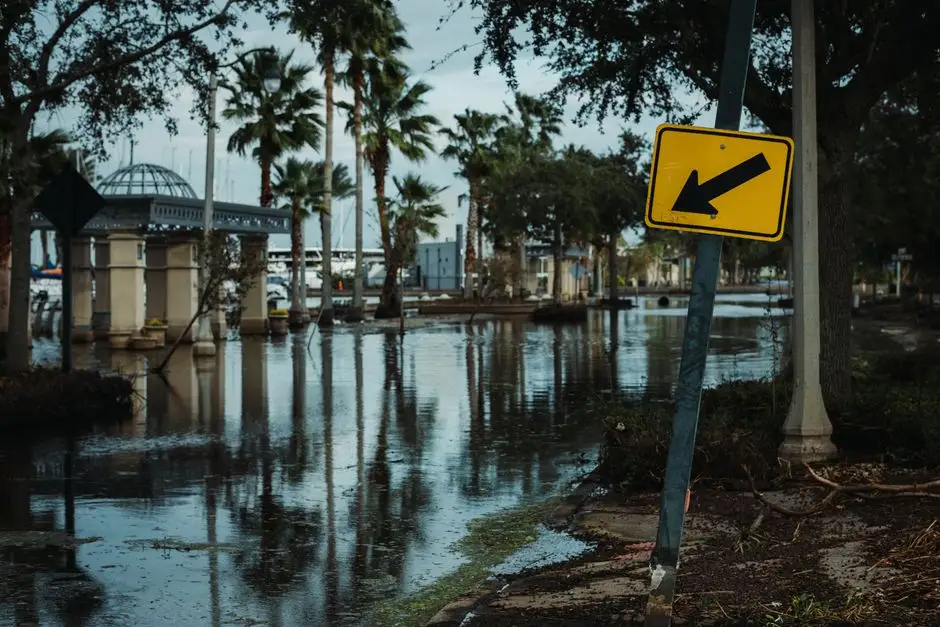
We run crews across Florida, from the Gulf Coast to the Atlantic, so a water loss in Tampa and a storm loss in Miramar Beach both get the same response. Each city has its own building stock and water problems, and our technicians know the difference. If you need Florida water damage restoration services in any of these communities, call and we will send the nearest crew.
Older ranch homes and bungalows with slab leaks and cast-iron drains. We handle water heater leaks, washing machine overflows, and storm intrusion across Tampa neighborhoods.
Inland Polk County homes deal with slab leaks, roof leaks, and humidity that slows drying. We run dehumidifiers longer and monitor with a hygrometer daily.
Newer construction with PEX supply lines and tight envelopes. A small leak can trap humidity, so we use a borescope camera to check wall cavities before we close up.
Fast-growing suburbs with new homes and irrigation systems. We see supply line failures and water heater leaks, and we dry the structure to a documented standard.
Coastal homes near the water deal with storm surge and wind-driven rain. Salt air and humidity make drying slower, and we plan for extra drying days.
Older downtown homes and newer subdivisions. Slab leaks and roof leaks are common, and we extract and dry with air movers and dehumidifiers sized for the job.
Older homes with mature trees and roof penetrations. After a storm, we often find roof leaks that traveled along framing into ceiling cavities.
Space Coast homes deal with wind-driven rain and humidity. We extract, dry, and document the loss for insurance, and we handle mold remediation if needed.
Historic homes near the water with older plumbing. We coordinate with a licensed plumber to stop the leak, then extract and dry the structure.
Inland homes with well water and older water heaters. We handle water heater leaks, burst pipes, and storm intrusion, and we document the loss for your claim.
Gulf Coast homes with storm surge risk and older plumbing. We extract, dry, and check for foundation water seepage so the problem does not return.
Pensacola-area homes deal with hurricane water intrusion and roof leaks. We tarp, extract, and dry, and we document the loss for storm claims.
Hills and mature trees mean roof leaks and runoff. We trace water with a thermal imaging camera and dry the structure to a documented standard.
Barrier island homes face storm surge and wind-driven rain. We extract, remove wet materials, and dry with equipment sized for coastal losses.
Panhandle condos and homes deal with hurricane water intrusion and humidity. We dry the unit, document the loss, and coordinate with your adjuster.
Real answers to the questions we hear most often from local homeowners and property managers.
Standing water comes out fast with extraction wands and wet/dry vacuums. This is the first step in any water damage restoration job and the one that limits how much material has to be replaced.
View Emergency Water ExtractionFlood cleanup handles the mud, debris, and contaminated water that storms leave behind. We remove debris, extract water, apply antimicrobial spray, and start drying so a flood loss does not turn into a mold job.
View Flood CleanupWater removal is the heavy-lifting phase: pumps, extraction wands, and wet/dry vacuums pulling water from carpet, hardwood, and subfloor. Getting it out fast is what protects your flooring and keeps drying time to three to five days.
View Water RemovalSewage backup is a category 3 loss, and it requires removal of contaminated materials, antimicrobial spray, and PPE. Our crews handle the cleanup and the drying, and we document the loss for your insurance claim.
View Sewage Backup CleanupAfter a storm pushes water through a roof or window, we tarp, extract, and dry. Storm damage restoration covers the water side of the loss so the structure is dry before repairs begin.
View Storm Damage RestorationHurricane water intrusion often means wind-driven rain, roof leaks, and storm surge flooding at once. We bring extraction equipment, air movers, and dehumidifiers sized for the job and coordinate drying across multiple rooms.
View Hurricane Water Damage RestorationCall (866) 973-3470 any hour of the day and a live dispatcher answers, not a machine. Tell us what flooded and where you are, and we send the nearest crew. Most Florida metro calls get a technician on site within 60 to 90 minutes, and we handle the insurance paperwork from the first visit.
Phone
(866) 973-3470Address
Florida
Hours
Mon–Fri: 7AM – 7PM
Sat: 8AM – 4PM
Sun: Emergency Only
24/7 Emergency Available