
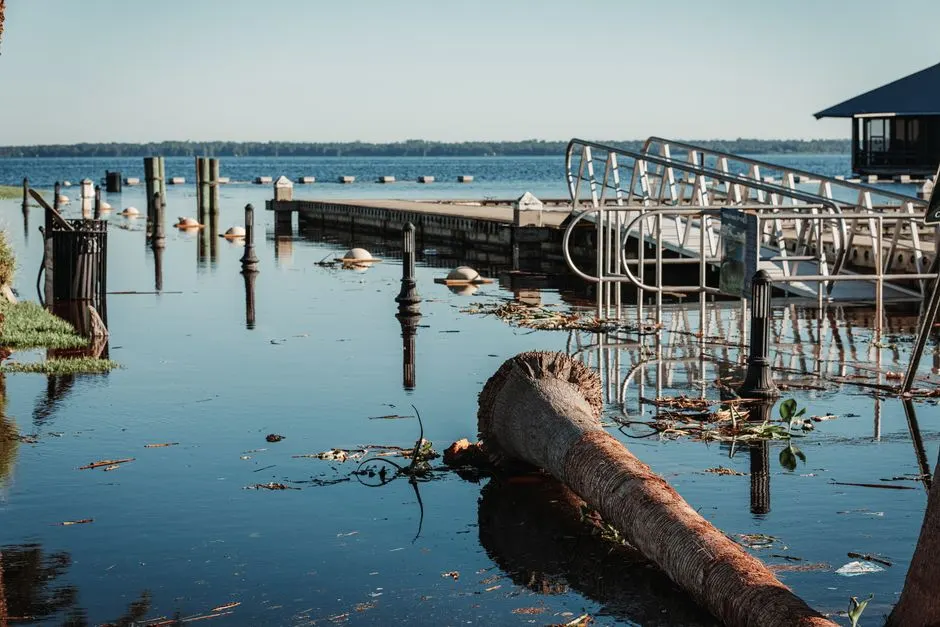
How to prepare your Florida home for hurricane season flooding comes down to three things: keep water out, get water out fast if it gets in, and have the paperwork ready before you need it. The single most effective step is exterior water management - grading, gutters, and flood barriers that move storm surge and 10 to 20 inches of rain away from your slab. Everything else in this guide builds on that foundation.
We are Water Damage Pros Florida, and we have pumped, dried, and rebuilt homes from Pensacola to West Palm Beach after named storms. Below is the same checklist we walk homeowners through every May, plus the mistakes that turn a manageable leak into a five-figure rebuild.
Start With the Water, Not the Wind
Wind gets the headlines, but water does the damage in a Florida hurricane. The National Hurricane Center attributes roughly 90% of U.S. tropical cyclone deaths to water, and inland flooding from slow-moving storms routinely reaches homes 50 to 100 miles from the coast. That means a home in Lakeland or Winter Haven needs the same water prep as one in Tampa or Cape Coral.
Florida's building code has tightened since Hurricane Andrew in 1992, and the 7th Edition Florida Building Code now requires specific wind-borne debris protection in the windborne debris region. But code compliance is a floor, not a ceiling. Your job as a homeowner is to close the gaps the code does not cover: the bottom of your garage door, the base of your exterior doors, and every penetration where water can wick into wall cavities.
If you want the full picture of what professional Water Damage Restoration in Florida involves after a storm, that page walks through the extraction, drying, and rebuild sequence. For now, focus on prevention.
How do I prepare my Florida home for hurricane season flooding?
You prepare by working from the outside in: clear the path for water to leave your property, seal the openings water uses to enter, and stage the tools and documents you will need if it enters anyway. Do this in April and May, before the June 1 start of hurricane season, not the week a storm is named.
Here is the order we recommend, and why each step matters.
- Clear gutters and downspouts. A single clogged downspout can dump 50 gallons of water against your foundation in a 10-minute downpour. Extend every downspout at least 4 feet from the slab.
- Check your grading. Soil should slope away from the foundation at roughly 6 inches over the first 10 feet. Florida's sandy soil settles, so re-check this every spring.
- Test your sump pump or French drain. Pour 5 gallons into the pit and time how long it takes to clear. If it takes more than 60 seconds, service it.
- Seal exterior penetrations. Caulk around hose bibs, AC line sets, and cable entries. Water finds a 1/8-inch gap.
- Install flood barriers at doors and the garage. Reusable panels cost $200 to $800 per opening and take 10 minutes to deploy.
- Raise what you can. Water heaters, HVAC air handlers, and electrical panels should sit at least 12 inches above the projected flood level - 24 inches is better in surge zones.
- Document everything. Photograph every room, serial number, and receipt. Store the file in the cloud, not a filing cabinet that floods.
That list takes one weekend. It is the difference between a shop-vac afternoon and a full rebuild.
The Hurricane Flood Preparation Checklist Florida Homeowners Actually Use
Once the storm is 72 hours out, your prep shifts from permanent improvements to staging. This is the hurricane flood preparation checklist Florida homeowners should run through in order.
72 hours out
- Fill bathtubs and 5-gallon buckets with water for flushing if the municipal supply fails.
- Move electronics, documents, and irreplaceable items to the highest floor or a sealed plastic bin on a high shelf.
- Charge every power bank and test your generator. Store 1 gallon of fuel per 4 hours of expected runtime.
- Trim any branch within 10 feet of the roof - wind-driven debris punches holes that let rain in.
24 hours out
- Deploy flood barriers and sandbags at every ground-level door and the garage.
- Turn off the main water supply if you are evacuating, and shut off the breaker to any submerged outlet.
- Unplug appliances in low-lying rooms. A refrigerator sitting in 6 inches of water is a total loss.
- Move vehicles to high ground. Storm surge in Tampa Bay can push 6 to 10 feet of water into coastal neighborhoods.
After the storm passes
- Do not walk into standing water indoors - it may be electrified or contaminated with sewage.
- Photograph everything before you move it. Insurers want the mess documented in place.
- Start drying within 24 to 48 hours. Mold colonizes wet drywall in as little as 24 hours in Florida's humidity.
If water does get in, our team handles Emergency Water Extraction in Florida around the clock, including holidays. We pull standing water, set drying equipment, and document the loss for your claim.
Flood Prevention Florida Home Upgrades That Pay for Themselves
Flood prevention Florida home upgrades range from $150 DIY fixes to $15,000 whole-home retrofits, and the payback shows up in your insurance premium and your rebuild bill. Here are the ones we see make the biggest difference.
Backflow valve on the main sewer line. A $1,200 to $2,500 install stops municipal sewage from backing into your home when the city system surcharges. This is the single upgrade that prevents the worst category of flood damage - contaminated water - and it is why we treat Sewage Backup Cleanup in Florida as a separate, hazmat-level service.
Sump pump plus battery backup. $800 to $1,500 installed. A pump without a battery is useless the moment the grid goes down, which is exactly when you need it.
Impact-rated windows and doors. $8,000 to $25,000 for a typical home, but they eliminate the breach point that lets wind pressurize your roof and lets rain pour in. Many Florida insurers now offer premium discounts for them.
Elevated HVAC and water heater. $500 to $1,200 to raise them on a platform. Replacing a flooded air handler runs $4,000 to $7,000, so this pays back on the first storm.
Whole-home surge protection. $300 to $800. Flooding and power surges travel together; a $500 device protects $10,000 in electronics.
If you live in an older coastal neighborhood - the kind of housing stock we see across Water Damage in Cape Coral, where thousands of homes were built before the current flood elevation standards - these upgrades are not optional. They are the difference between a dry house and a gutted one.
Do I need flood insurance for hurricane season in Florida?
Yes, if you live in a FEMA Special Flood Hazard Area, your mortgage lender requires it - and even outside those zones, roughly 25% of flood claims come from moderate- or low-risk areas. Standard homeowners policies in Florida exclude flood damage entirely, so wind-driven rain that enters through a broken window may be covered while rising water is not.
Here is what to know about Florida hurricane flood insurance requirements heading into the 2026 season:
- NFIP policies have a 30-day waiting period. Buy in April or May, not when a storm is in the Gulf.
- Typical NFIP premiums in Florida run $700 to $3,000 per year for a single-family home, depending on elevation and zone. Coastal high-risk zones can exceed $5,000.
- Coverage caps at $250,000 for the structure and $100,000 for contents under NFIP. Above that, you need private flood insurance.
- Private flood policies can have a 14-day waiting period and often include loss-of-use coverage NFIP does not.
Read your policy's definition of "flood" carefully. Some private policies cover storm surge but exclude sewer backup; some cover both. If you are unsure, call your agent and ask one question: "If 6 inches of water comes through my front door during a named storm, what do you pay?"
What to watch out for: common mistakes before the storm
The mistakes that cost Florida homeowners the most are almost always made in the last 48 hours before landfall, when panic overrides planning. Watch for these.
Sandbags alone. A stack of sandbags without a plastic liner behind it leaks at the seams. Line the opening with 6-mil poly sheeting first, then stack.
Sealing the house too tight. Taping windows and closing every vent pressurizes the structure and can lift the roof. You want controlled openings, not a sealed box.
Ignoring the garage. The garage door is the largest opening in your home and the first to fail. A $300 brace kit raises its wind rating significantly.
Waiting to document. Photos taken after you have moved furniture are worth less to an adjuster than photos taken before. Shoot video of every room, narrating what you see.
Assuming your homeowner's policy covers it. It does not cover rising water. This is the most expensive misunderstanding in Florida real estate.
Delaying the dry-out. Every hour you wait, mold spreads. A wet carpet pad that is extracted within 24 hours can often be saved; at 72 hours it is trash and the subfloor is at risk.
When to call a professional
Call a professional when water has reached the wall cavity, when the water is contaminated with sewage or saltwater, or when more than 10 square feet of flooring is wet. Those three conditions exceed what a wet-vac and a box fan can fix, and they are the conditions that lead to mold, structural rot, and denied insurance claims.
Water Damage Pros Florida handles the full sequence - extraction, structural drying, mold prevention, and rebuild - so you are not coordinating three contractors while living in a hotel. We document the loss to insurance standards, which speeds your claim and reduces the chance of a dispute over scope.
If you are dealing with a wet crawl space or a flooded lower level, our Crawl Space Water Extraction in Florida team uses specialized equipment that fits through a standard access hatch. And for homes in the Panhandle, where Hurricane Michael in 2018 showed how fast a Category 5 can reshape a coastline, we keep Water Damage in Panama City crews on standby through the entire season.
One call, one team, one invoice. That is the point.
Frequently Asked Questions
How do I prepare my Florida home for hurricane season flooding?
Start in April or May: clear gutters, regrade soil to slope 6 inches away over 10 feet, test your sump pump, seal exterior penetrations, and buy flood barriers for ground-level doors. Then stage a 72-hour kit with water, fuel, and documentation. The full checklist is above.
Do I need flood insurance for hurricane season in Florida?
You need it if you have a federally backed mortgage in a Special Flood Hazard Area - and you should carry it even outside those zones, since about 25% of claims come from moderate-risk areas. NFIP policies have a 30-day waiting period, so buy by early May.
What should I do before a hurricane to prevent flooding in Florida?
Deploy flood barriers at every ground-level opening, line sandbag stacks with plastic sheeting, shut off the main water supply if evacuating, and move electronics and documents to high ground. Do this 24 hours before landfall - not the morning of.
Who do I call for hurricane flood cleanup in Florida?
Call a licensed restoration company that handles extraction, drying, and mold prevention in one scope. Water Damage Pros Florida responds 24/7 across the state at (866) 973-3470. We document the loss for your insurer and start drying the same day.
How long does it take to dry a flooded Florida home?
Most homes dry in 3 to 5 days with professional equipment. Humid Florida air extends that timeline, so we monitor moisture readings daily and do not remove equipment until wall cavities read below 16% moisture content.
Get help with Water Damage in Florida
Hurricane season runs June 1 through November 30, and the work you do now decides how your home comes through it. If a storm has already left water in your home, every hour counts - mold starts in 24.
Call Water Damage Pros Florida at (866) 973-3470. We answer 24/7, dispatch across the state, and start extraction the same day.