
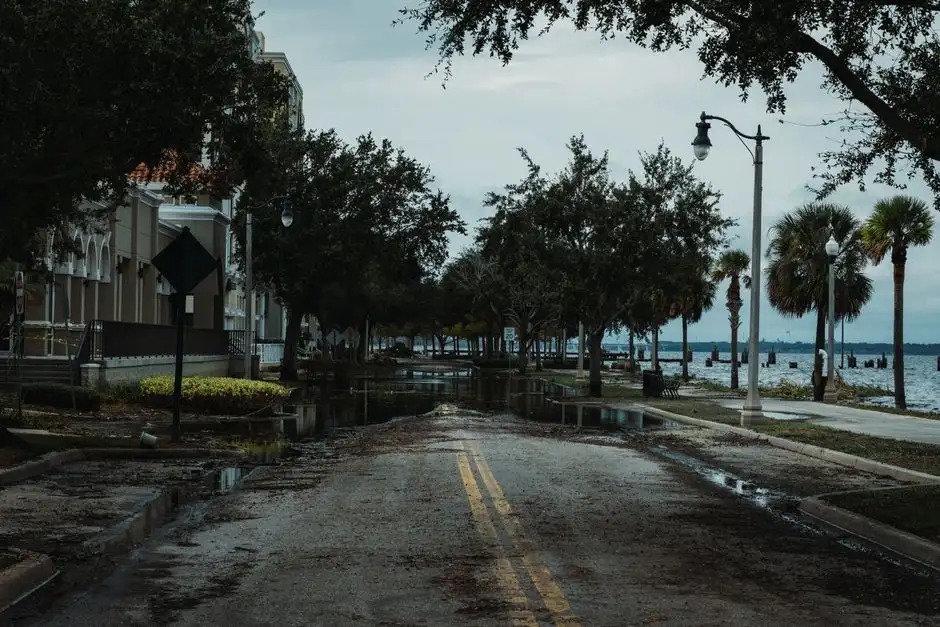
Basement water removal in Florida is the process of pumping, extracting, and drying standing water from a below-grade space before it damages the structure or grows mold - and in most Florida homes it needs to start within 24 to 48 hours of the water showing up. If you are standing in an inch of water right now, the answer is simple: get the water out today, not this weekend. The rest of this post covers why Florida basements flood so often, what removal actually costs in 2026, how your insurance usually responds, and the mistakes that turn a two-day job into a two-month rebuild.
Why do basements flood in Florida?
Florida basements flood because the state sits at or barely above sea level, the water table can rise to within a few feet of the surface during the wet season, and the same sandy soil that drains quickly in a drought holds water like a sponge after three days of rain. A below-grade room is essentially a bucket sunk into that saturated ground.
We see the same handful of causes on nearly every call. In roughly 7 out of 10 jobs, it is groundwater pushing up through the floor or seeping through the cove joint where the wall meets the slab. The rest break down like this:
- Hydrostatic pressure after sustained rain - the ground cannot absorb any more, so water finds the weakest point in your foundation.
- Sump pump failure during a storm, usually because the pump lost power or the discharge line was clogged with yard debris.
- Failed waterproofing or a cracked footing drain on homes built before the 1990s.
- HVAC condensate and water heater leaks - a slow drip that runs for weeks before anyone notices the stain.
- Storm surge and tidal flooding in coastal neighborhoods, which behaves nothing like inland rain flooding.
Building age matters more than most homeowners expect. A 1970s ranch in a low-lying pocket of Water Damage in Tampa floods for completely different reasons than a new build on fill dirt in a master-planned subdivision. In older homes, the footing drain is often crushed or silted shut. In newer ones, the grading around the foundation is frequently the culprit - the builder sloped the yard toward the house instead of away from it.
Seasonally, the risk peaks from June through September, when afternoon thunderstorms dump two to four inches in an hour and the water table has no room left. But November through February is not safe either. A slow, three-day winter rain saturates the ground just as thoroughly, and that is when we get the calls from homeowners who assumed the dry season meant a dry basement.
How much does basement water removal cost in Florida?
Basement water removal in Florida costs $1,500 to $6,500 for a typical residential job at 2026 pricing, with most single-family homes landing between $2,200 and $3,800. The price is driven by how much water is standing, how much of the space is finished, and how far the moisture has wicked into drywall and framing.
Here is the honest breakdown of what moves the number:
- Water volume. A quarter-inch across a 600 sq ft basement is a few hundred gallons. Six inches is closer to 2,200 gallons and takes a truck-mounted extractor plus a full day of pumping.
- Category of water. Clean supply-line water is the cheapest. Sewage backup or outdoor floodwater is contaminated and requires disposal, antimicrobial treatment, and often removal of affected drywall to the flood cut.
- Finished vs. unfinished. Carpet, pad, and baseboard come out fast. Engineered hardwood, tile over a saturated subfloor, and built-in cabinetry add labor and drying time.
- Drying equipment. A standard setup is 4 to 8 air movers and 1 to 2 dehumidifiers running 3 to 5 days. Larger or poorly ventilated spaces need more units and more days.
- Mold remediation. If the water sat more than 48 hours, expect a separate remediation scope. That is where a $2,500 extraction turns into a $9,000 project.
What you should not pay for is a surprise. We quote the extraction, the drying setup, and the daily monitoring as one number before we start, and we tell you up front whether the job is likely to need reconstruction afterward. If a company will not put a range in writing before they roll equipment in, keep calling.
Does homeowners insurance cover basement flooding in Florida?
Standard Florida homeowners insurance covers sudden, accidental water damage - a burst supply line, a failed water heater, an overflowing washing machine - but it does not cover groundwater seepage, hydrostatic pressure, or surface flooding. Those are excluded on nearly every HO-3 and HO-6 policy written in the state.
So the answer depends entirely on where the water came from. A pipe that let go at 2 a.m. is usually a covered claim. Water that pushed up through the floor after a week of rain is usually not, unless you carry a separate flood policy through the National Flood Insurance Program or a private flood carrier.
Two things we tell every homeowner before they file:
- Document before you clean. Photograph the standing water, the waterline on the wall, and any damaged belongings before a single box moves. Adjusters work off evidence, and a dry floor tells them nothing.
- Mitigate, then argue. Your policy obligates you to prevent further damage. Pumping the water out and starting Structural Drying in Florida protects your claim - letting it sit while you wait on an adjuster can void the whole thing.
If your basement is a finished living space, check whether your policy has a specific sub-limit for below-grade rooms. Many do, and it is often lower than the coverage on the rest of the house.
The extraction and drying process, step by step
Basement water extraction in Florida follows the same sequence whether the water is an inch deep or a foot deep, and the drying phase is where the job is actually won or lost. Anyone can pump water. Getting the structure dry before mold colonizes is the skill.
Step 1: Stop the source and make the space safe
We kill power to the affected circuits, check for gas appliances, and confirm the water is not still entering. If it is a supply line, we shut the valve. If it is groundwater, we set up the pump and accept that we are managing inflow, not stopping it.
Step 2: Extract the standing water
Truck-mounted extraction pulls water out far faster than a shop vac. For contaminated water - sewage or outdoor floodwater - we handle disposal and apply antimicrobial treatment to every surface the water touched. That is a different job from clean-water extraction and it is priced accordingly.
Step 3: Remove unsalvageable materials
Saturated carpet and pad come out. Drywall that has wicked water above the flood cut comes out. We cut a clean line, not a ragged one, so the repair is straightforward later.
Step 4: Dry the structure
Air movers drive evaporation; dehumidifiers pull the moisture out of the air so it does not re-settle into the framing. We take moisture readings in the slab, the studs, and the air every day and log them. The job is done when the readings match a dry standard for your home - not when the floor feels dry to the touch.
Step 5: Verify and document
You get the daily readings and photos. If you are filing a claim, that documentation is what your adjuster needs to close it.
What to watch out for
The mistakes that turn a manageable basement flood into a five-figure rebuild are almost always made in the first 48 hours. Here are the ones we see most.
- Waiting for the water to recede on its own. Groundwater does not drain out of a below-grade room. It sits, and mold starts colonizing porous materials within 24 to 48 hours.
- Running a household fan and calling it drying. A box fan moves air. It does not remove moisture. Without a dehumidifier, you are just redistributing the water into the rest of the house.
- Pulling wet carpet but leaving the pad and tack strip. The pad holds more water than the carpet does, and it will re-wet the subfloor.
- Skipping the moisture meter. A slab that reads dry on the surface can hold enough moisture to buckle flooring two weeks later.
- Not addressing the grading. If the yard slopes toward the foundation, you will be doing this again next summer.
One more: do not run a shop vac on a flooded floor while standing in the water. It is the most common injury we hear about, and it is entirely avoidable.
When to call a professional
Call a professional when the water is more than a shallow puddle, when it is contaminated, when the space is finished, or when it has been sitting longer than a day. Those four conditions cover the vast majority of Florida basement floods.
You can handle a small, clean spill with towels and a wet vac. You cannot handle two inches of groundwater across 600 square feet with a shop vac, and you cannot dry a framed wall with a box fan. Our team at Water Damage Pros Florida handles the extraction, the drying, and the documentation in one visit, and we tell you honestly whether the job needs reconstruction afterward. For storm-driven flooding, we also run Storm Damage Restoration in Florida so the water, the wind damage, and the debris are handled by one crew instead of three.
If you are in a coastal neighborhood where surge is a real risk, the same crew covers Water Damage in Cape Coral, where we see a mix of tidal flooding and failed sump systems every hurricane season.
Frequently Asked Questions
How much does basement water removal cost in Florida?
Expect $1,500 to $6,500 at 2026 pricing, with most homes between $2,200 and $3,800. Clean water in an unfinished basement sits at the low end. Contaminated water, finished space, or mold remediation pushes it higher.
Why does my basement flood in Florida?
Groundwater is the usual cause. Florida's high water table and sandy soil saturate fast during the June-to-September rainy season, and hydrostatic pressure pushes water through the floor or cove joint. Sump pump failures and cracked footing drains cause the rest.
Does homeowners insurance cover basement flooding in Florida?
It covers sudden accidental damage like a burst pipe or failed water heater. It excludes groundwater seepage and surface flooding, which require a separate flood policy. Document the damage before you clean and start mitigation immediately to protect the claim.
Who do I call for basement water removal in Florida?
Call a licensed water damage restoration company that handles extraction, structural drying, and documentation in one job. Water Damage Pros Florida serves homeowners statewide and can start emergency extraction the same day you call.
How long does basement drying take?
Three to five days for a typical clean-water flood with proper air movers and dehumidifiers. Contaminated water, thick carpet, or a saturated slab can stretch it to seven days. We verify with daily moisture readings rather than a visual check.
Get help with Water Damage in Florida
Standing water in a Florida basement gets worse every hour it sits, and the difference between a two-day dry-out and a mold remediation is usually just how fast someone gets there. We handle Basement Water Removal in Florida from the first pump-out through the final moisture reading, and we tell you straight what the job needs.
Call Water Damage Pros Florida at (866) 973-3470 and we will get a crew moving to your address today.